

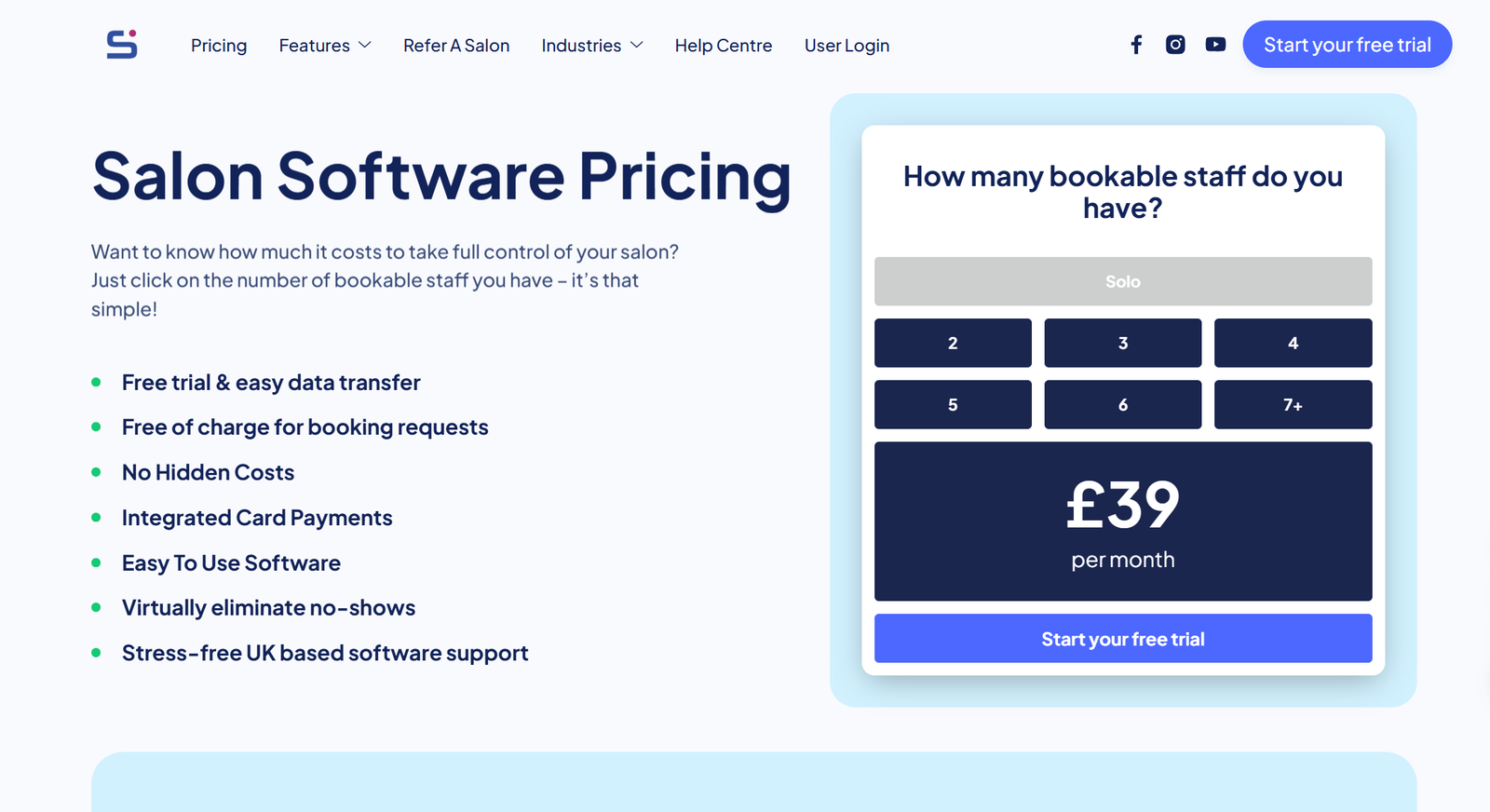

Beauty salons across London are transforming how they work with smart software.
Beauty salon software now sits at the heart of booking, marketing, and client care strategies for ambitious salons (Zolmi, 2025).
What Is Beauty Salon Software?
Beauty salon software is an all‑in‑one digital system that manages bookings, clients, payments, and marketing.
Instead of pen‑and‑paper diaries or scattered spreadsheets, owners use a single platform to run daily operations (Zolmi, 2025).
The software usually includes an online booking calendar, client profiles, point‑of‑sale tools, and automated reminders.
For a London beauty and lifestyle brand, this technology becomes a virtual front‑of‑house team.
It supports reception, marketing, stock control, and reporting while staff focus on treatments and client experience (Salon Iris, 2025).
Why UK Salons Are Going Digital
The UK hair and beauty industry is huge and competitive.
In the final quarter of 2023 alone, consumers spent around £2 billion in hairdressers and personal grooming salons (PolicyBee, 2025).
However, salon owners face higher costs, staff shortages, and more competition from home‑based or mobile professionals (PolicyBee, 2025).
Therefore many businesses adopt salon software to protect profits and grow.
Industry analysis suggests salons using online booking see measurable revenue gains, because they capture more appointments and reduce no‑shows (Salon Magazine, 2025).
Beauty salons that switch from phone bookings to online booking systems can boost monthly revenue by up to 50% (Salon Magazine, 2025).
10 beauty salon software options
that are widely used or well‑rated in the UK market (not ranked).
Zolmi
Cloud‑based salon system with online booking, SMS reminders, POS, marketing tools, and strong UK focus.

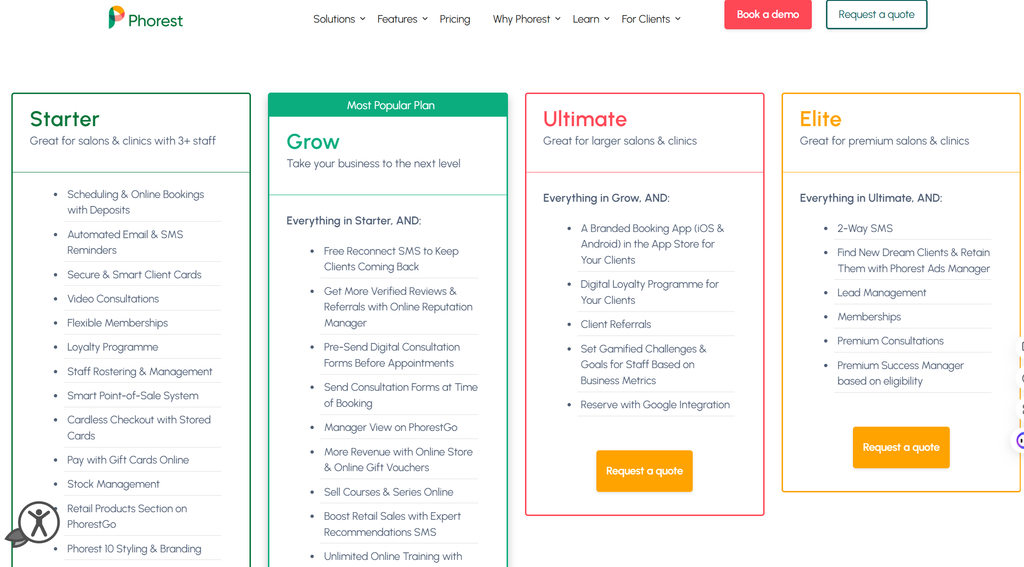
Phorest

Growth‑oriented software with branded apps, powerful email/SMS marketing, review boosters, and detailed reporting.
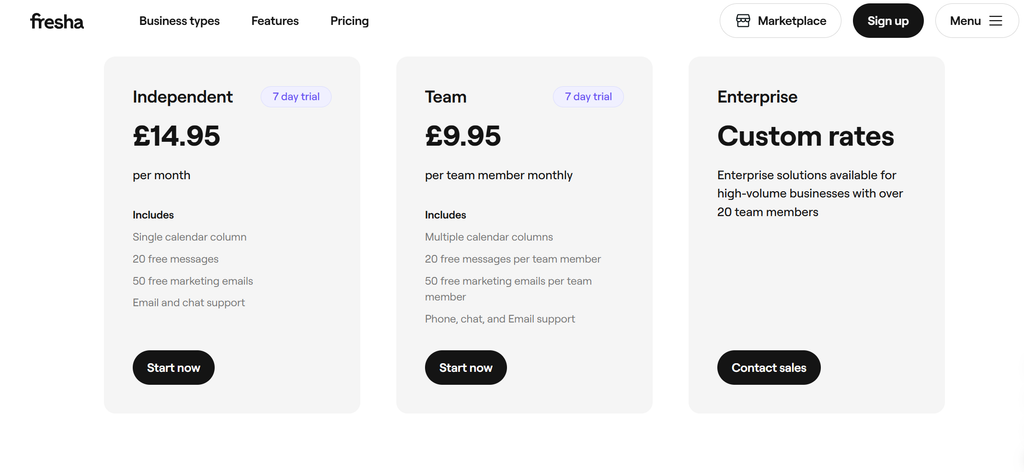
Fresha

Popular global platform offering free core booking for smaller teams plus a large client marketplace.
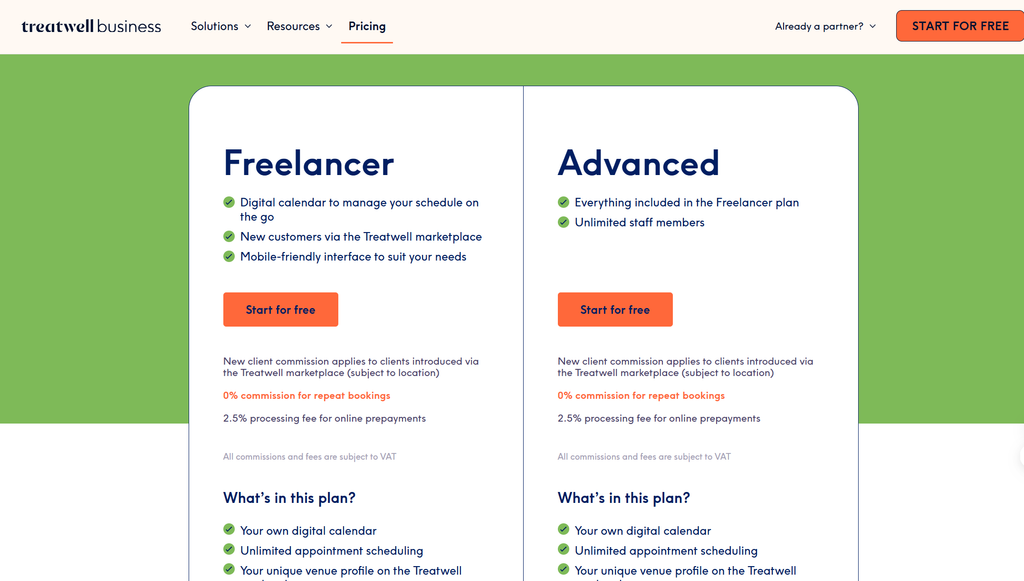
Treatwell (Treatwell Connect)
Marketplace plus management software that helps salons attract new clients through Treatwell’s booking site and app.
SalonIQ
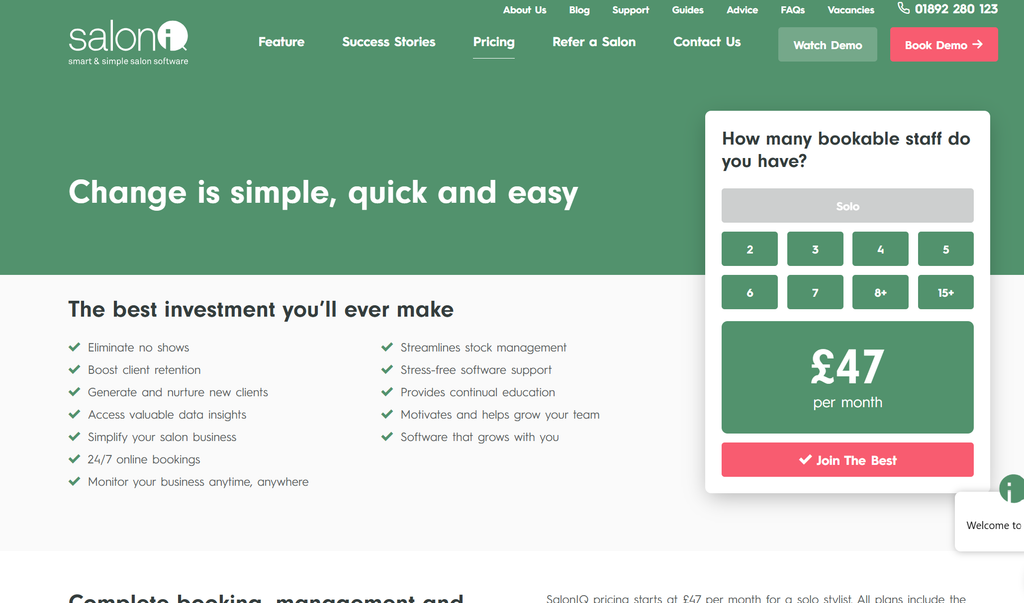
UK‑built system known for strong reporting, marketing automation, and multi‑site support for growing salons.
Salon Iris
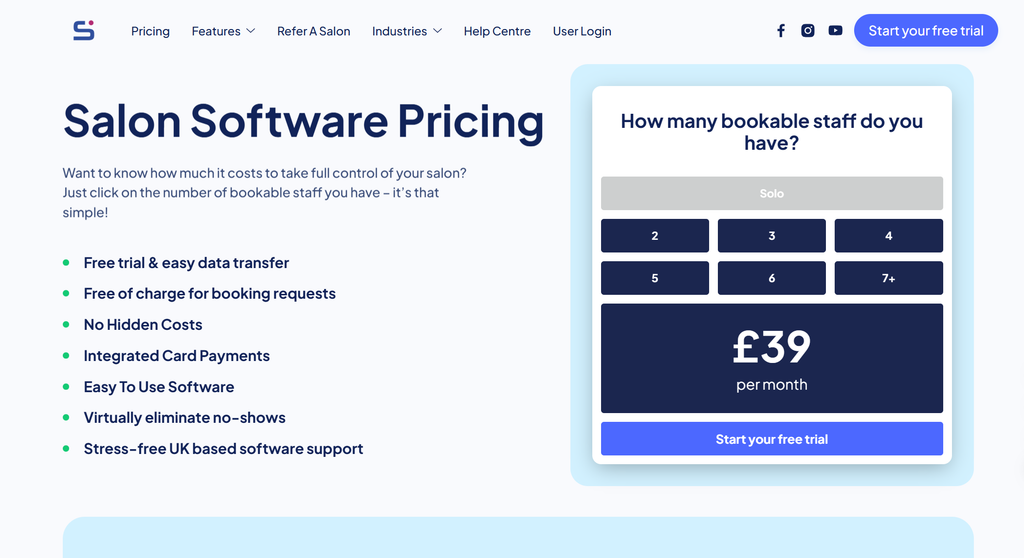
Feature‑rich software with scheduling, payroll, POS, and even offline mode for salons with unstable internet.
Booksy

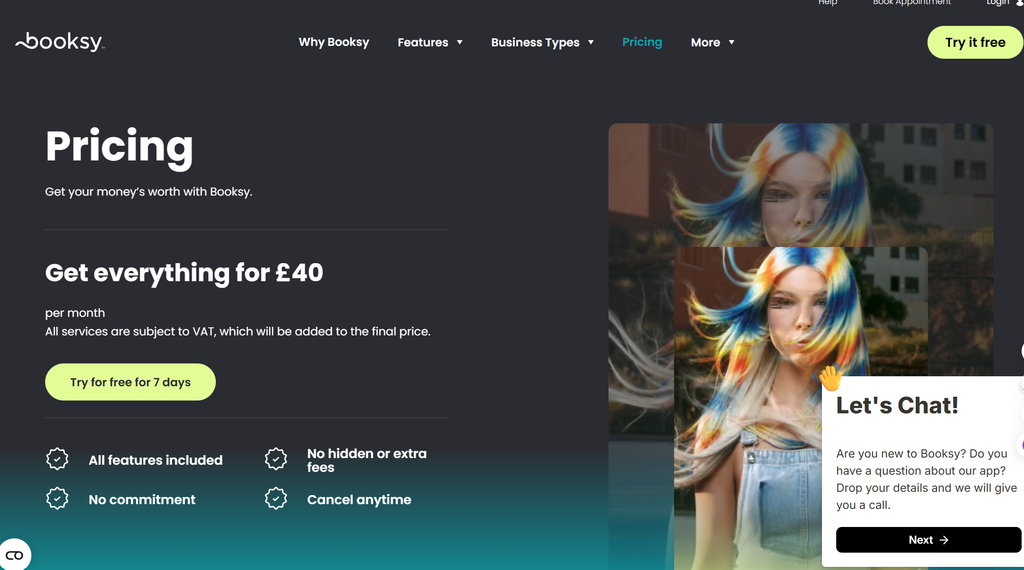
All‑in‑one booking and marketing app used by barbershops and beauty salons, strong on mobile and social integrations.
Vagaro

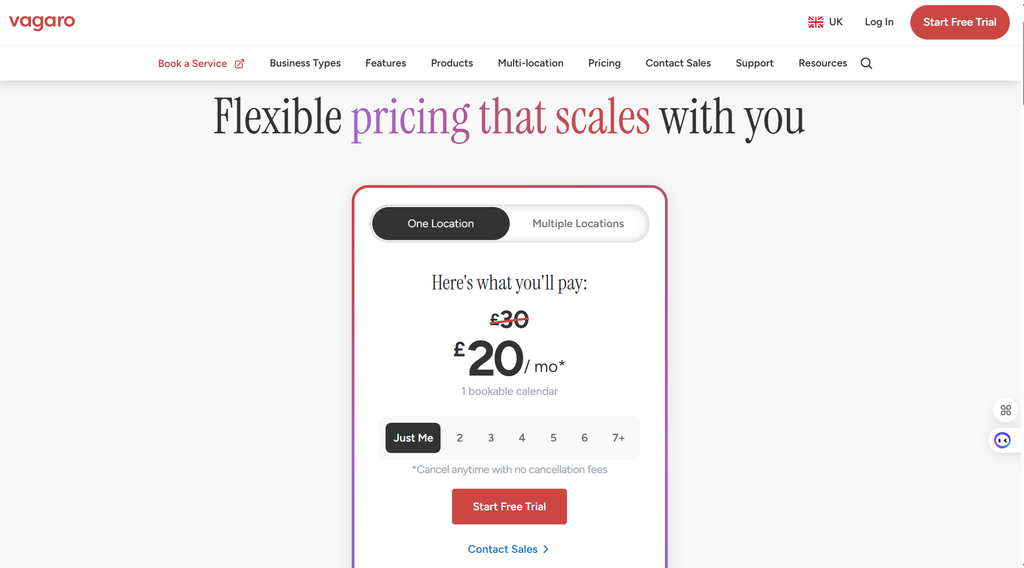
Comprehensive platform with booking, POS, memberships, and payroll, suitable for salons and wellness businesses.
Timely

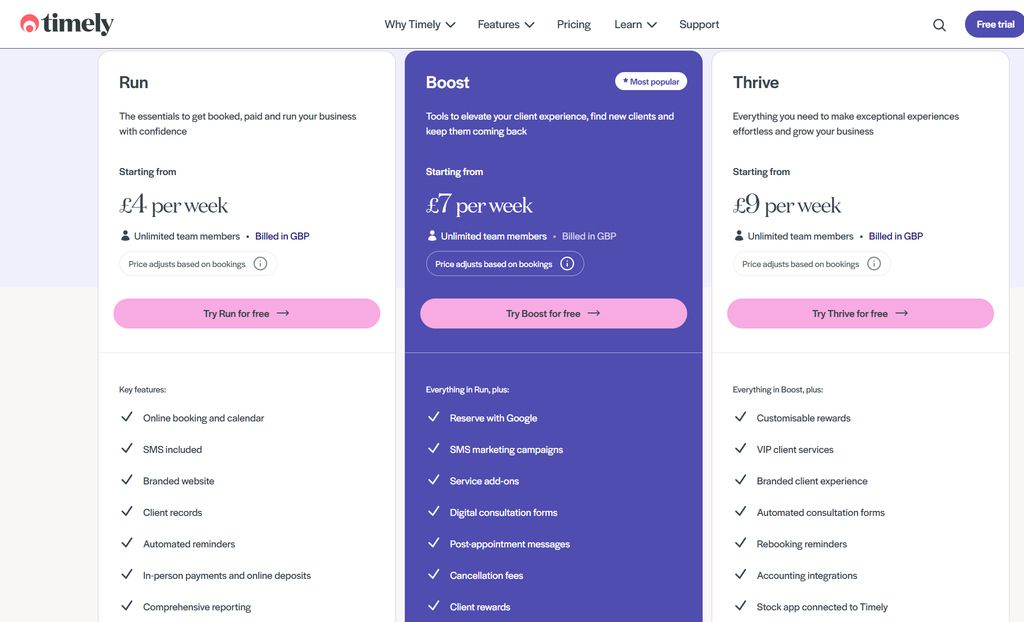
Cloud salon software focused on automation, client insights, and easy online booking for salons and clinics.
SimplyBook.me

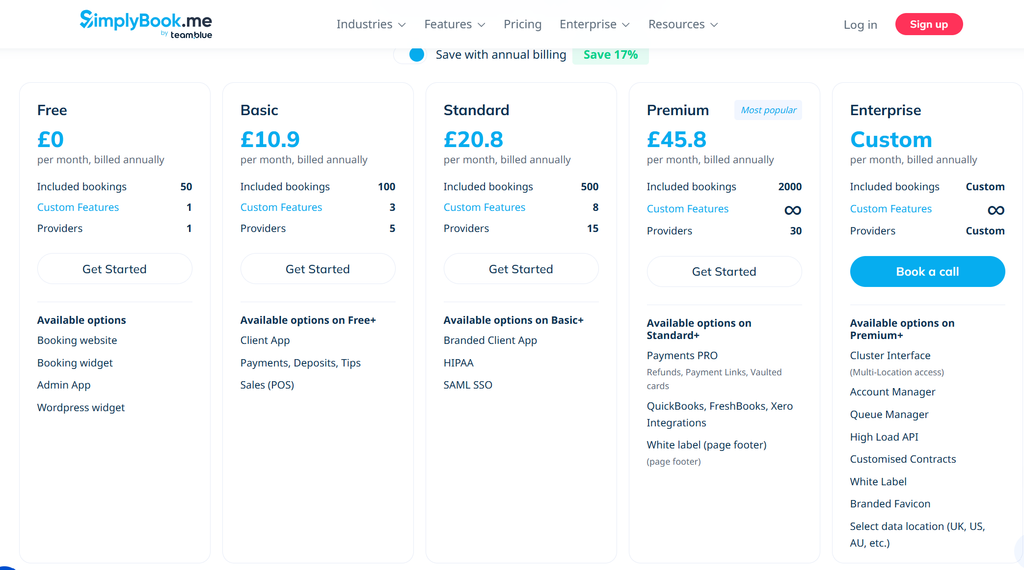
Flexible booking system with strong custom branding options, widgets, and integrations for salons and spas.
Core Features Of Beauty Salon Software
Most beauty salon systems share a set of core tools.
These features help owners manage busy columns, multiple therapists, and demanding clients.
Key modules usually include:
- Online booking and live calendars.
- SMS and email reminders.
- Digital client cards and consultation forms.
- Integrated card payments and POS.
- Retail and stock control.
- Reporting dashboards and KPIs (Zolmi, 2025; SalonIQ, 2025).
Because everything sits in one dashboard, owners quickly check daily bookings, revenue, and gaps.
They can track new clients, rebookings, and average spend per visit without exporting spreadsheets (Phorest, 2025).
Online Booking: From Google Search To Confirmed Visit
UK consumers now expect to find and book beauty appointments online.
Popular search terms include “beauty salon near me,” “nail salon London,” “lash extensions near me,” and “hair salon London.”
Salon software connects these searches to live availability.
When a client taps “book now” from Google, Instagram, or a website, the system shows open slots in real time.
This 24/7 booking access matters because many clients search and book outside salon hours (Fresha, 2025).
For London professionals working long days, the ability to book after 10pm directly onto a therapist’s column is crucial.
In addition, owners can require deposits or card details for high‑value services.
This reduces no‑show rates and last‑minute cancellations, which otherwise damage revenue (Zolmi, 2025).
Client Management And Personalisation
Beauty salon software also stores rich client histories.
Each profile can hold consultation notes, patch-test dates, contraindications, and product preferences (Phorest, 2025).
Salon staff then tailor treatments and retail recommendations around that information.
Over time, these notes support better outcomes and safer services.
Therapists know which skin type, shade ranges, or sensitivities to consider before starting a facial or peel.
Because of this, experience feels personal and consistent even as the salon grows.
Marketing Automation And Repeat Bookings
For London beauty salons, repeat clients keep businesses stable.
Research across the spa and salon sector shows that repeat customers can generate around 80% of revenue, even though they are less than half of total visitors (Professional Beauty, 2025).
Beauty salon software helps salons nurture these relationships.
Automated SMS and email campaigns remind clients when they are due for infills, roots, or skin maintenance.
Some systems send “we miss you” messages when clients do not rebook after a set time (Phorest, 2025).
Owners can also segment lists by service type, spend level, or visit frequency.
They then send targeted promotions such as “London summer facial offers,” “Balayage packages,” or “Black Friday beauty sale” to specific groups.
This targeted approach tends to outperform generic posts on social media alone (Square, 2025).
Integrated Payments And POS
Modern salon software usually integrates appointments with secure payments.
Clients can pay deposits online and tap to pay in the chair, while receipts sync with the appointment history (Square, 2025).
This cuts down manual reconciliation and end‑of‑day errors.
Many systems offer extras such as:
- Tips tracking.
- Staff commission calculations.
- Gift voucher sales.
- Packages and membership management (SalonIQ, 2025).
For a London beauty and lifestyle salon, transparent payment flows support cash‑flow planning and HMRC reporting.
Streamlined checkout also improves the client experience.
Reporting, KPIs And Business Decisions
Salon software turns daily activity into numbers.
Dashboards show live revenue, rebooking rates, retail performance, staff utilisation, and profitability per service.
This data helps owners see what works and what needs adjustment (SalonIQ, 2025).
For example, if one treatment takes a long time and rarely rebooks, owners can refine pricing, timing, or marketing.
If specific stylists have high rebooking rates, management can study their consultation style and coach others.
Data‑driven decisions are especially important in the crowded London market, where rent and wages are high (PolicyBee, 2025).
Best Beauty Salon Software Options In The UK
Several platforms dominate UK beauty salon software.
Each suits different budgets and business sizes.
- Zolmi focuses on ease of use, online booking, SMS reminders, marketing tools, and POS.
It offers flexible pricing suitable for small and growing salons (Zolmi, 2025). - Phorest targets growth‑orientated salons with strong marketing features.
It includes branded apps, review boosters, and in‑depth reporting, used by more than 155,000 professionals worldwide (Phorest, 2025). - Fresha provides free core booking software for solo users and a large marketplace.
Salons gain visibility to millions of clients searching for beauty appointments, though marketplace commissions apply to new clients (Zolmi, 2025). - SalonIQ is UK‑based and known for strong reporting, marketing automation, and multi‑site support.
It suits salons with ambitious expansion plans (SalonIQ, 2025). - Vagaro, Treatwell, Salon Manager, Salon Iris and others also offer competitive features such as payroll, smart waitlists, and offline mode (Zolmi, 2025; Salon Iris, 2025).
Choosing the right platform depends on team size, budget, marketing goals, and whether the salon needs a marketplace or wants to own all client relationships.
How Salon Software Supports A London Beauty Lifestyle Brand
A London beauty and lifestyle blog often collaborates with local salons and wellness spaces.
Beauty salon software makes these businesses more discoverable and easier to partner with.
Firstly, when salons integrate booking links with Google Business Profiles, clients can book directly from “beauty salon London” search results.
This frictionless experience matches the expectations of digital‑first Londoners (Square, 2025).
Secondly, many systems connect to Instagram and TikTok profiles.
Followers can tap “book” from social media bios or story links, moving smoothly from content to appointment.
Because London’s beauty audience often discovers trends on social platforms, this integration is powerful.
Finally, software data helps salons understand which services are popular.
They can see seasonal spikes in “Christmas nails,” “wedding makeup,” or “summer facials” and share insights with bloggers and influencers.
Data Privacy And Client Trust
Beauty salons handle sensitive personal data.
This includes contact details, health information, and in some cases payment tokens.
Software must therefore meet GDPR requirements and follow strong security practices.
Reputable systems use encryption, secure hosting, and role‑based permissions so that only authorised staff access client records (Zolmi, 2025).
Salons should still train teams on data protection, as human error remains a common cause of breaches.
By choosing well‑designed software and clear privacy policies, London salons reassure clients that their data is safe.
This trust supports long‑term relationships and positive reviews.
Sustainability And Paperless Salons
Sustainability plays a growing role in UK beauty.
Clients increasingly favour eco‑aware salons using cruelty‑free products and low‑waste practices.
Beauty salon software contributes by reducing paper diaries, printed forms, and manual receipts.
Digital consultation forms, e‑receipts, and online vouchers all cut paper consumption.
Some systems also track product use and colour mixing, helping salons reduce waste and over‑ordering (Salon Gold, 2025).
For a London audience that values both style and sustainability, a paperless salon fits the wider lifestyle.
Implementation Tips For Salon Owners
Switching from paper to software may feel daunting.
Yet there are practical steps to make the transition smoother.
- Start by listing current pain points, such as no‑shows, stock losses, or messy calendars.
- Shortlist two or three platforms that solve those issues well.
- Use free trials or demos to test workflows with real bookings.
- Migrate data gradually, starting with upcoming appointments and core clients.
- Train the team in short sessions and assign a “super user” to support colleagues.
Most vendors offer onboarding and migration help, especially for salons moving from older systems (Zolmi, 2025; SalonIQ, 2025).
Taking time at the start saves headaches later.
The Future Of Beauty Salon Software
Looking ahead, UK reports predict deeper integration of AI, automation, and data analytics in salon software (Square, 2025).
Smart systems will not only manage bookings, but also predict demand, optimise pricing, and personalise marketing.
For example, AI tools may suggest the best times for promotions, based on local events and historical appointment data.
They could also recommend retail bundles for each client, using purchase history and service preferences.
As London’s beauty scene continues to evolve, salons that embrace technology will likely stand out.
Beauty salon software will shift from “nice‑to‑have” to an essential foundation for profitable, lifestyle‑driven brands.
Reference List
Phorest (2025) The Phorest Consumer Insights Report 2025. Available at: https://www.phorest.com/resources/salon-consumer-insights-report-2025/ (Accessed: 30 December 2025).
PolicyBee (2025) UK hair and beauty industry statistics 2025. Available at: https://www.policybee.co.uk/blog/uk-hair-and-beauty-industry-statistics (Accessed: 30 December 2025).
Professional Beauty (2025) ‘Repeat clients generate 80% of beauty salon revenue’. Available at: https://professionalbeauty.co.uk/repeat-clients-generate-80-of-beauty-salon-revenue (Accessed: 30 December 2025).
Salon Gold (2025) ‘How smart UK salons are thriving in the face of the 2025 budget squeeze’. Available at: https://www.salongold.co.uk/the-hub/hair-and-beauty/business-tips/how-smart-uk-salons-are-thriving-in-the-face-of-the-2025-budget-squeeze (Accessed: 30 December 2025).
Salon Iris (2025) Salon Software Trends: What UK Salons Should Look For. Available at: https://saloniris.co.uk/salon-software-trends/ (Accessed: 30 December 2025).
SalonIQ (2025) ‘What’s the Best Salon Software for Hairdressers in England?’. Available at: https://www.salon.life/en/evaluation/best-salon-software-for-small-hair-salons-in-england-full-review-2025 (Accessed: 30 December 2025).
Salon Magazine (2025) ‘The Right Software Solution’. Available at: https://thesalonmagazine.co.uk/the-right-software-solution/ (Accessed: 30 December 2025).
Square (2025) The Future of Beauty Report: 2025 Edition. Available at: https://squareup.com/gb/en/the-bottom-line/series/foc/future-of-beauty (Accessed: 30 December 2025).
Zolmi (2025) Best Salon Software in UK [2025 Review & Comparison]. Available at: https://zolmi.co.uk/best-salon-software-uk (Accessed: 30 December 2025).


Leave a Reply