


Introduction
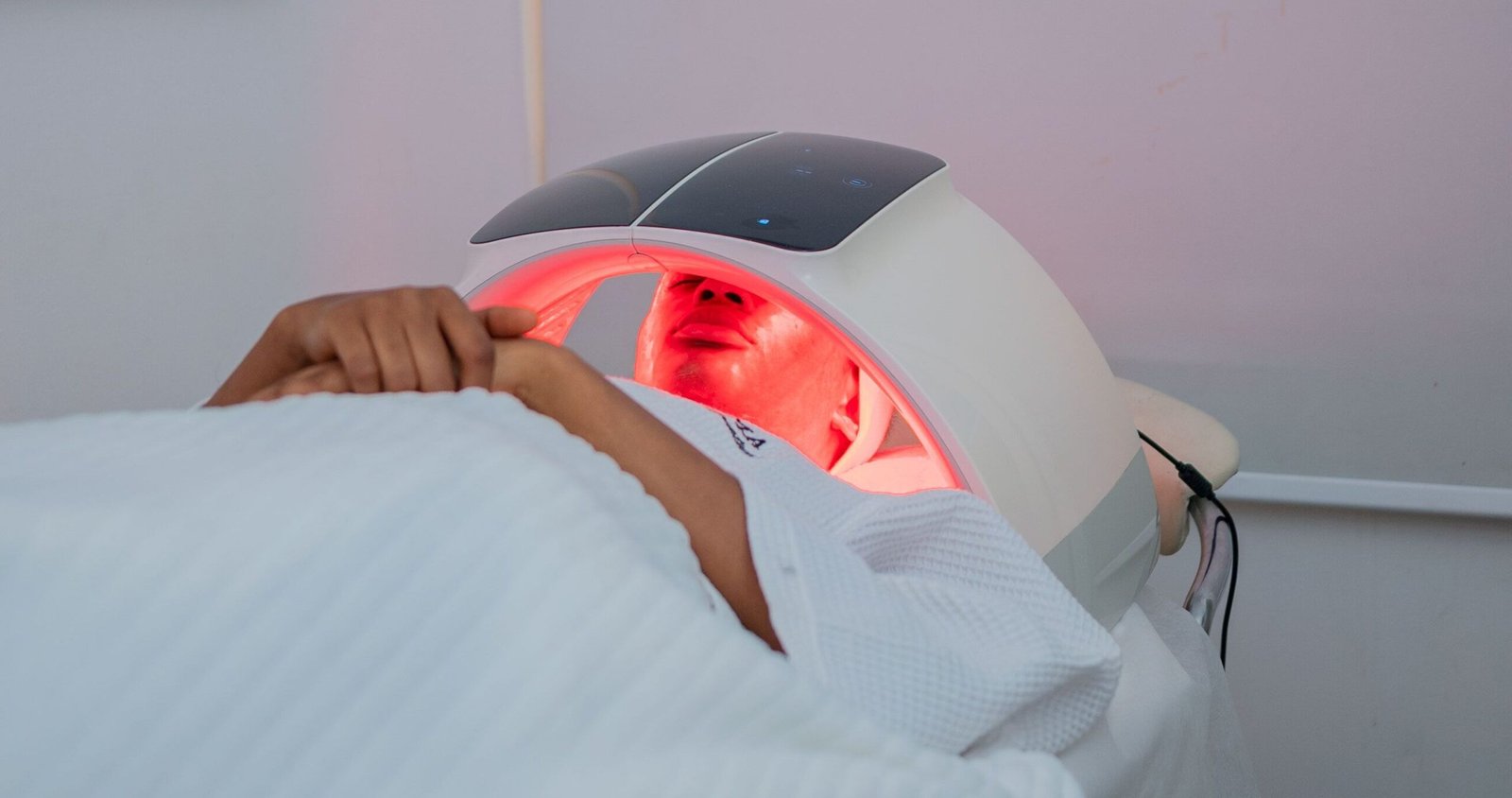
Red light therapy for skin has surged in popularity across the UK recently. However, many people still wonder whether the results match the hype. This guide explains exactly how red light therapy works and what it can realistically achieve. Furthermore, it covers who benefits most and how to use it safely at home or in-salon. Because this technology is relatively new to mainstream skincare, understanding the science matters. Additionally, we’ll explore the difference between professional and at-home devices. Therefore, by the end of this guide, you’ll know whether red light therapy deserves a place in your routine. Let’s start by breaking down exactly how it works.
What Is Red Light Therapy?
The Basic Science
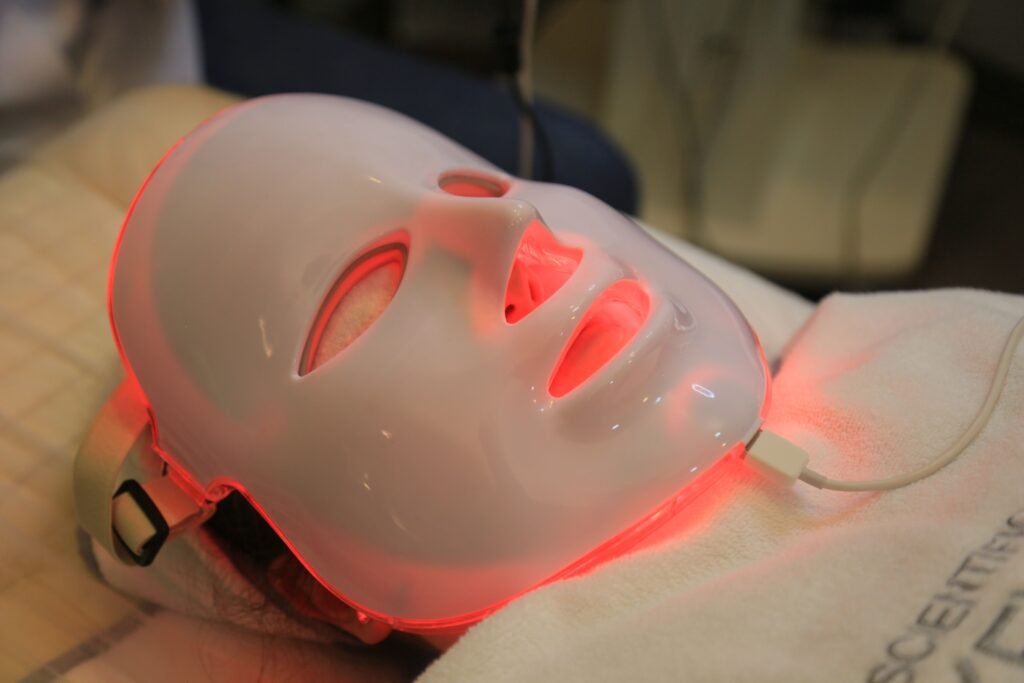
Red light therapy utilizes low-level wavelengths of red and near-infrared light.
These specific wavelengths penetrate the skin’s surface effectively without causing any heat damage, making it a safe option for various treatments.
How It Differs From UV Light
Unlike UV rays, red light therapy doesn’t damage skin cells or increase cancer risk. Instead, it works by stimulating cellular activity beneath the surface.
Origins in Medical Treatment
This technology originated in wound healing and medical rehabilitation settings. Consequently, its skincare applications developed from genuine clinical research.
Why It’s Trending Now
Search interest in red light therapy has grown significantly over the past year. Therefore, more UK skincare brands are now launching dedicated devices.
How Red Light Therapy Benefits Skin
Boosting Collagen Production
Red light stimulates fibroblast activity, which produces collagen and elastin. As a result, skin may appear firmer and smoother over time.
Reducing Inflammation
The therapy also has anti-inflammatory effects on skin tissue. Consequently, it may help calm redness and irritation.
Supporting Wound Healing
Because red light promotes cellular repair, it can support faster healing of minor skin damage. This includes post-treatment recovery from peels or microneedling.
Improving Overall Skin Tone
Regular use may also improve overall texture and radiance. However, results vary significantly between individuals and devices.
Professional vs At-Home Red Light Devices
In-Salon Treatments
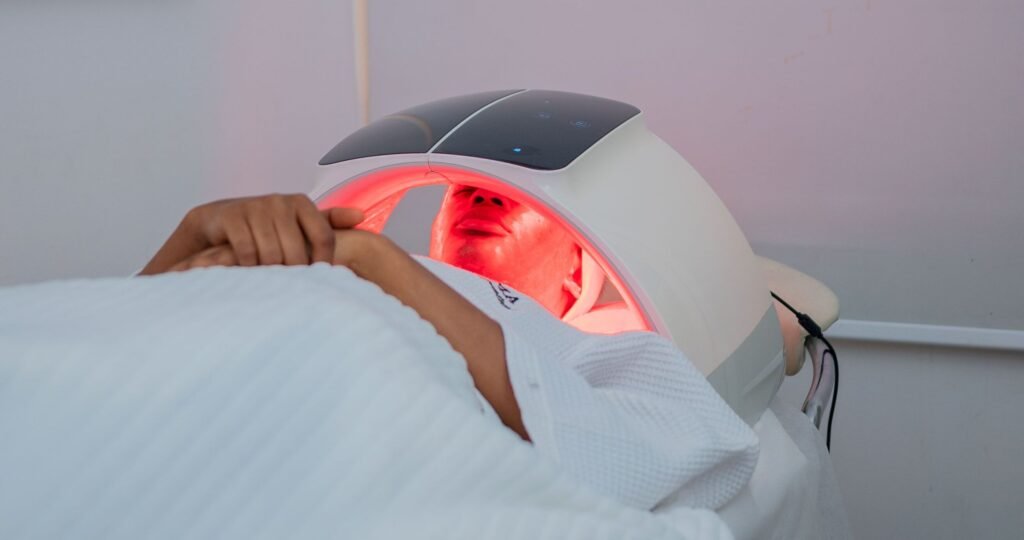
Professional devices typically offer stronger, more concentrated light output. Therefore, results may appear faster with in-salon sessions.
At-Home Devices
Home devices are more convenient and cost-effective for regular use. However, they generally require longer, more frequent sessions for similar results.
What to Look for in a Device
Choose devices with clinically tested wavelengths, typically between 630 and 850 nanometres. Otherwise, effectiveness may be significantly reduced.
Safety Considerations
Always follow manufacturer guidelines for session length and frequency. Consequently, overuse won’t speed up results and may cause unnecessary skin sensitivity.
Who Should Try Red Light Therapy
Best Candidates
Red light therapy suits most skin types, including sensitive skin. Additionally, it’s generally considered gentler than many active skincare ingredients.
When to Avoid It
Those with certain light-sensitive conditions or taking specific medications should consult a doctor first. Otherwise, unexpected reactions could occur.
Realistic Expectations
Red light therapy works gradually, not instantly. Therefore, most users need eight to twelve weeks of consistent use to see meaningful change.
Combining With Other Treatments
Many people combine red light therapy with their existing skincare routine. However, avoid layering it directly with strong actives like retinol on the same night.
Getting Started With Red Light Therapy
Building a Consistent Routine
Consistency matters more than intensity with this treatment. Consequently, three to five sessions per week typically deliver the best results.
Setting Realistic Timelines
Track progress with photos every few weeks rather than daily. This helps you notice gradual changes more accurately.
Pairing With Skincare Products
Apply red light therapy on clean, product-free skin for best absorption. Afterward, follow with your regular moisturiser and SPF routine.
Where to Try It First
If you’re unsure about investing in a device, many London beauty salons now offer red light sessions. This lets you trial the treatment before committing.
Conclusion
Red light therapy for skin represents a genuinely promising, well-researched treatment option. Unlike many skincare trends, it’s backed by real clinical history in wound healing and rehabilitation. Moreover, its gentle, non-damaging approach makes it accessible for most skin types.
However, realistic expectations and consistency remain essential for meaningful results. Whether you choose an in-salon treatment or an at-home device, patience pays off. Above all, red light therapy works best as part of a broader, consistent skincare approach. Ready to explore this treatment? Explore our London beauty salon directory to find red light therapy sessions near you, and shop our curated skincare picks to support your results.
References
British Association of Dermatologists (2024) Skin care advice. Available at: https://www.skinhealthinfo.org.uk (Accessed: 1 August 2026).
NHS (2024) Skin, hair and nails. Available at: https://www.nhs.uk/live-well/skin-hair-and-nails/ (Accessed: 1 August 2026).
British Skin Foundation (2024) Skincare tips. Available at: https://www.britishskinfoundation.org.uk (Accessed: 1 August 2026).
American Academy of Dermatology Association (2024) Skin care basics. Available at: https://www.aad.org/public/everyday-care (Accessed: 1 August 2026).


Leave a Reply