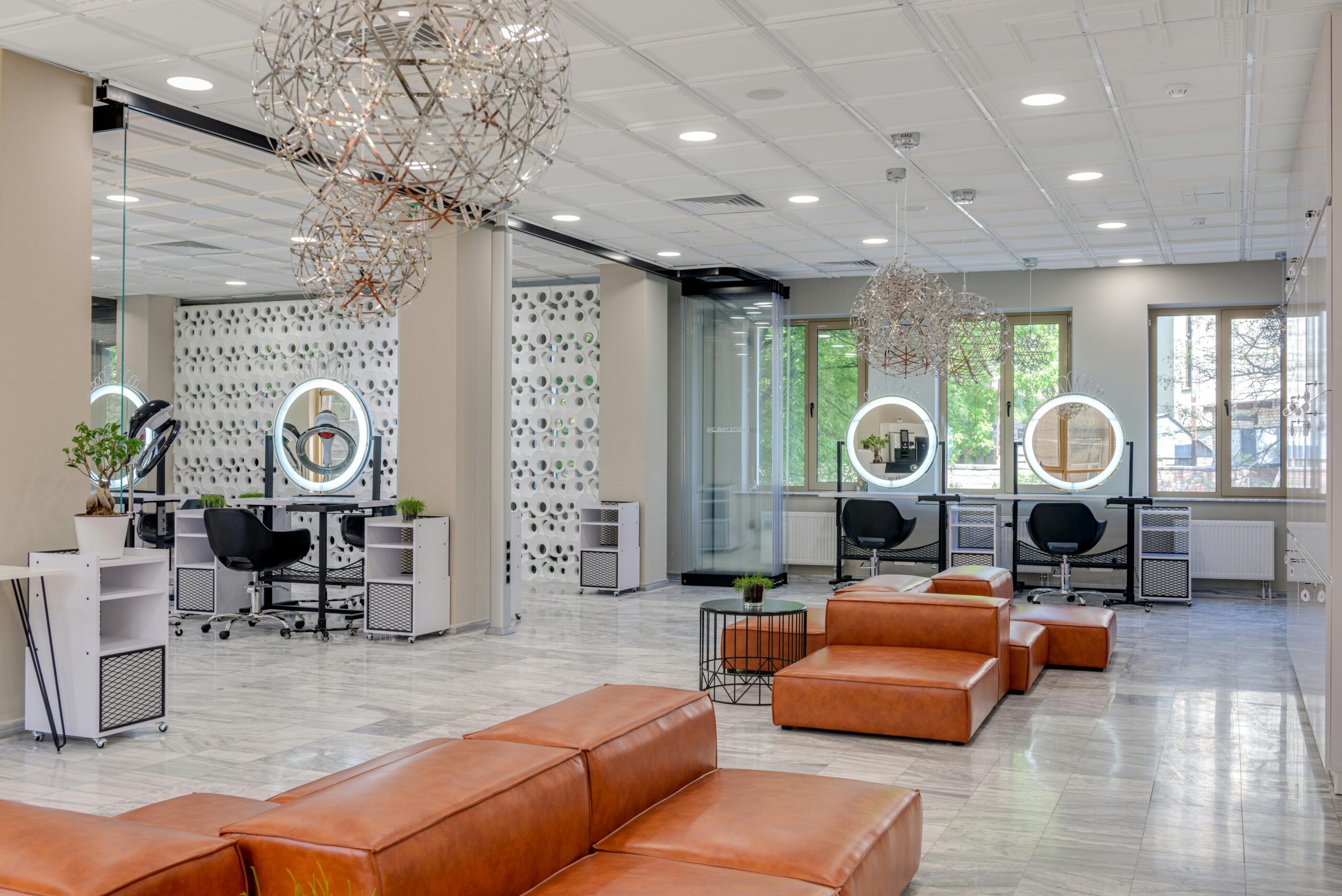
A hydrating facial is a professional treatment that focuses on restoring moisture, reinforcing the skin barrier and improving comfort and radiance (Draelos, 2016).
In UK professional beauty practice, hydrating facials follow structured consultation, hygiene and treatment protocols, and they must align with recognised occupational standards for facial skincare and, where relevant, facial electrical therapies (UK Standards, 2023; UK Standards, 2023b).
Moreover, current trends in 2026 emphasise barrier support, long‑term skin health and evidence‑based product selection, rather than quick, superficial glow alone (British Beauty Council, 2026; Mintel, 2025).
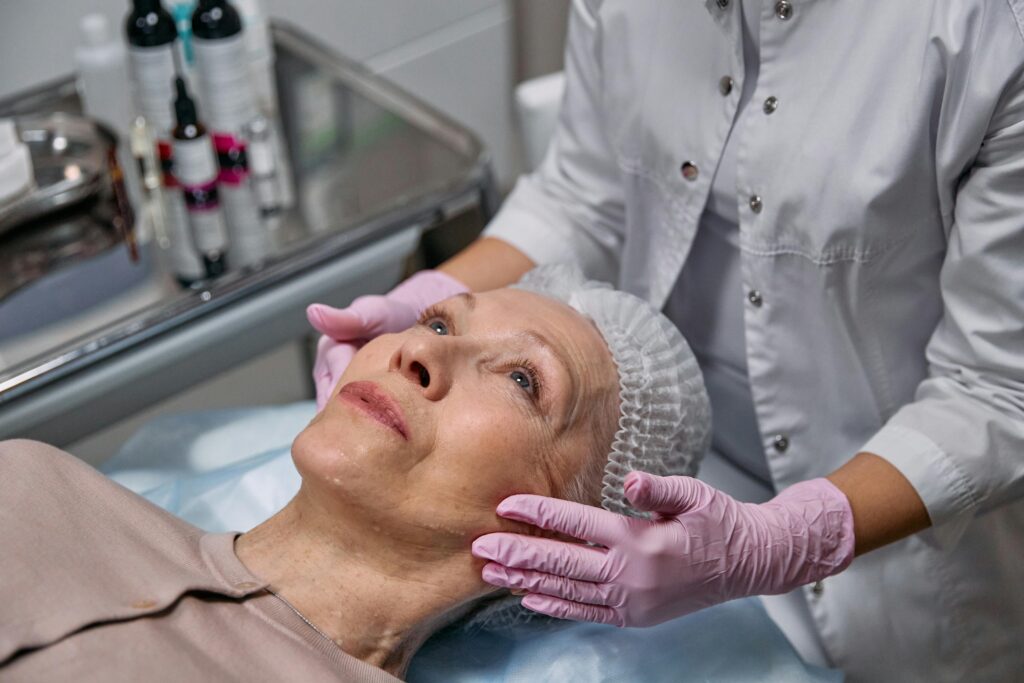
What is a hydrating facial?
A hydrating facial is a targeted facial treatment that replenishes water content in the skin and supports the barrier that prevents moisture loss (Rawlings and Harding, 2020).
It uses cleansers, exfoliants, serums and masks formulated with humectants, emollients and barrier‑repair ingredients to address dehydration and dryness (Draelos, 2016).
Furthermore, in professional UK standards, hydrating facials sit within broader categories of facial skincare and sometimes facial electrical therapy, depending on technologies used (UK Standards, 2023; UK Standards, 2023b).
The aim is not only to make the skin feel softer for a day, but also to improve barrier function and resilience over time (Rawlings and Harding, 2020).
UK professional beauty standards and hydrating facials
UK occupational standards for facial treatments set expectations for consultation, hygiene, technique, safety and record‑keeping (UK Standards, 2023). These standards underpin many regulated qualifications in beauty therapy and help ensure that treatments, including hydrating facials, are delivered safely and consistently (BABETC, 2023).
Moreover, a hydrating facial that incorporates devices such as galvanic current, low‑level LED or other electrical technologies must also align with specific facial electrical therapy standards (UK Standards, 2023b). This includes requirements for skin analysis, informed consent, test procedures, equipment checks and monitoring of skin responses throughout treatment.
Core responsibilities in UK standards
Across both manual and electrical hydrating facials, UK standards expect practitioners to:
- Carry out a concise yet comprehensive consultation and skin analysis, covering skin type, condition and concerns (UK Standards, 2023).
- Discuss expected outcomes, possible reactions, pre‑ and post‑treatment requirements and any alternative options (UK Standards, 2023b).
- Obtain and record informed consent in line with organisational and insurance requirements (PolicyBee, 2025).
- Maintain safe, hygienic working practices, including infection prevention and control and appropriate waste management (BABETC, 2023).
- Complete treatment records and evaluate outcomes for reflective practice and quality improvement (UK Standards, 2023b).
Additionally, UK guidance highlights the importance of evidence‑based practice, meaning product claims and techniques should relate to recognised skin science, not purely marketing language (British Beauty Council, 2026).
Skin science behind hydrating facials
Hydrating facials work with the skin’s barrier and water‑binding components. The outermost layer, the stratum corneum, contains corneocytes, lipids and natural moisturising factors that regulate water content and protect against irritants (Rawlings and Harding, 2020).
When that barrier becomes disrupted, skin can feel tight, dry, rough or more reactive.
Humectants, such as glycerin and hyaluronic acid, attract and hold water in the stratum corneum (Draelos, 2016).
Emollients and occlusives then smooth the surface and slow trans‑epidermal water loss by reinforcing barrier lipids (Rawlings and Harding, 2020).
Therefore, a professional hydrating facial usually combines both humectant‑rich and barrier‑supportive ingredients to give more sustained comfort.
Furthermore, research emphasises that hydration and barrier health are central to the effectiveness of other actives, because compromised skin may tolerate strong treatments poorly (Sivamani et al., 2019).
This is why many advanced aesthetic clinics now plan “skin‑prep” and “barrier‑repair” phases before more intensive procedures.
Step‑by‑step: What happens in a professional hydrating facial?
Exact protocols vary by brand, device and qualification. However, most professional UK hydrating facials follow a structured, multi‑step process (Milady, 2024).
1. Consultation and skin analysis
The therapist begins with a consultation covering medical history, medications, allergies, current skincare and lifestyle factors such as stress or climate exposure (UK Standards, 2023).
They assess skin type, hydration level, sensitivity and any conditions like rosacea, eczema or acne, using magnification and good lighting (UK Standards, 2023b).
Moreover, this analysis helps identify relative and absolute contraindications and determine whether a manual or technology‑assisted hydrating facial is appropriate (BABETC, 2023).
It also allows realistic goal‑setting around what one session and a course can achieve.
2. Gentle cleansing
Hydrating facials use non‑stripping cleansers that preserve barrier lipids while removing surface impurities, SPF and makeup (Draelos, 2016).
Often, therapists perform a double cleanse: first to remove makeup, second to clean the skin itself (Milady, 2024).
Additionally, cleansers are chosen to match skin type: cream or lotion cleansers for dry, sensitive skins and mild gel cleansers for combination types (Rawlings and Harding, 2020).
Overly harsh surfactants are avoided because they can worsen dryness and sensitivity.
3. Controlled exfoliation
Light exfoliation removes dead cells and helps hydrating products penetrate more effectively (Watson, 2019). Professional protocols typically use:
- Enzymatic exfoliants, such as papain or bromelain, for sensitive or reactive skins.
- Low‑strength alpha‑hydroxy acids, such as lactic acid, for dull or thickened skins.
Furthermore, UK standards stress that therapists must follow manufacturer instructions, adjust contact time and observe skin carefully to avoid barrier damage (UK Standards, 2023).
Over‑exfoliation can actually worsen dehydration, so a hydrating facial prioritises gentle methods (Rawlings and Harding, 2020).
4. Skin warming (where appropriate)
Some hydrating facials include warm towels or mild steam to enhance comfort and microcirculation. However, heat must be used cautiously, because inflamed or vascular skins may flare with strong warmth (British Association of Dermatologists, 2024).
Therefore, practitioners following UK standards assess whether warming is appropriate and adjust time and distance accordingly (UK Standards, 2023).
In many hydrating protocols for sensitive skins, this stage is omitted or minimised.
5. Hydrating serum application
The serum phase is the heart of a hydrating facial. Therapists apply concentrated humectant‑rich serums that may contain ingredients like:
- Hyaluronic acid in various molecular weights.
- Glycerin, panthenol and natural moisturising factor components.
- Niacinamide or ceramide complexes to support barrier repair.
Research shows that hyaluronic acid and glycerin can significantly improve stratum corneum hydration when used consistently (Rawlings and Harding, 2020).
Moreover, some professional ranges include peptide complexes that claim to support barrier resilience and radiance (Draelos, 2016).
In technology‑assisted protocols, galvanic current, ultrasound or low‑intensity LED may be used to support product penetration and skin function, subject to relevant electrical therapy standards and training (UK Standards, 2023b).
6. Massage with nourishing medium
Facial massage in hydrating facials uses oils, creams or balms that add emollients while supporting relaxation and circulation (Chiu, 2017).
Techniques may include effleurage, petrissage and gentle drainage strokes along lymphatic pathways.
Moreover, massage contributes to the “slow beauty” experience that many UK clients now prioritise, linking skincare with stress reduction (British Beauty Council, 2026).
However, pressure and duration are adapted for sensitive or rosacea‑prone skins to avoid flaring.
7. Hydrating or soothing mask
A hydrating mask seals in preceding layers and delivers an extra boost of moisture and comfort. Gel, cream or sheet masks may contain humectants, lipids, soothing botanicals and sometimes prebiotic ingredients (Draelos, 2016).
Additionally, masks provide crucial contact time, allowing ingredients to act while clients rest. This stage can also include scalp or hand massage to enhance the wellness aspect, which aligns with current spa and wellness trends emphasising mind‑skin connections (Professional Beauty, 2026).
8. Finishing products and SPF
To conclude, therapists apply eye cream where appropriate, a barrier‑supportive moisturiser and, for daytime appointments, a broad‑spectrum sunscreen (Watson, 2019).
This final layer protects the freshly treated skin and supports long‑term hydration by reducing UV‑induced barrier stress.
Furthermore, UK standards encourage practitioners to provide clear aftercare, including how to support hydration at home and which products or behaviours to avoid immediately after treatment (UK Standards, 2023).
Benefits of a hydrating facial
A correctly planned hydrating facial can deliver benefits that extend beyond temporary softness.
Short‑term benefits
Clients usually notice:
- Increased smoothness and suppleness due to re‑hydrated stratum corneum (Rawlings and Harding, 2020).
- Reduced tightness and discomfort, especially in colder seasons or air‑conditioned environments.
- Enhanced radiance as light reflects more evenly from a more hydrated surface (Watson, 2019).
Moreover, the combination of touch, warmth and relaxation can reduce perceived stress, which links indirectly to better skin behaviour in stress‑responsive conditions (Sivamani et al., 2019).
Long‑term benefits
When hydrating facials form part of a structured plan, alongside consistent home care, they may help:
- Support barrier recovery after more intensive treatments, such as peels or microneedling (Sivamani et al., 2019).
- Improve tolerance of active skincare by stabilising the barrier first (Rawlings and Harding, 2020).
- Reduce visible flaking and dryness that accentuate fine lines, improving overall texture (Watson, 2019).
Furthermore, 2026 professional commentary highlights a shift towards “skin health journeys”, where hydration and barrier function underpin every other intervention (British Beauty Council, 2026; The Academy Clinic, 2025).
Safety, contraindications and UK regulatory context
Hydrating facials are generally considered low‑risk, but they still require careful screening and professional judgement. Common mild reactions include transient redness, warmth or tightness, particularly after exfoliation (Draelos, 2016).
Contraindications and cautions
Therapists should assess for:
- Active infections, open lesions or severe dermatitis in treatment areas.
- Known allergies to key ingredients, including fragrances or preservatives.
- Uncontrolled rosacea or inflammatory conditions that may flare with massage or warmth.
- Very recent procedures such as strong chemical peels, ablative lasers or injectables.
UK standards emphasise the importance of recognising when to adapt or postpone treatment and when referral to a medical professional is appropriate (UK Standards, 2023; UK Standards, 2023b). Moreover, patch testing and pre‑treatment sensitivity checks may be required for some products.
Regulatory and insurance considerations
In the UK, hydrating facials that use only topical products and low‑risk manual techniques generally fall within standard beauty therapy practice. However, adding electrical modalities, such as galvanic infusion or LED, may bring the treatment into the scope of facial electrical therapy, requiring specific training aligned with occupational standards (UK Standards, 2023b).
Additionally, the wider aesthetics regulatory landscape is shifting, with new licensing schemes for higher‑risk procedures and renewed emphasis on face‑to‑face consultation standards (NHBF, 2024; IPHM, 2025).
Even though hydrating facials are low‑risk, insurers expect evidence of recognised qualifications, adherence to professional standards and robust infection‑control procedures (PolicyBee, 2025).
How UK salons can position hydrating facials in 2026
In 2026, UK clients increasingly search online for “dehydrated skin”, “barrier repair”, “hydrating facial” and “dry skin facial”, especially during seasonal changes (Mintel, 2025). Salons can therefore use hydrating facials as both entry‑level and maintenance treatments within broader skin plans.
First, salons can develop clear menu descriptions that explain what a hydrating facial is, who it suits and how it differs from deep cleansing or advanced device‑based treatments. Secondly, they can emphasise professional standards, such as consultation, skin analysis and evidence‑guided product choice, to differentiate from generic spa menus (British Beauty Council, 2026).
Moreover, many clinics now create “skin health programmes” where hydrating facials appear between more intensive interventions to stabilise the barrier and maintain results (The Academy Clinic, 2025).
This strategy aligns with research showing that well‑hydrated, intact skin responds better to active ingredients and recovers more efficiently after procedures (Rawlings and Harding, 2020; Sivamani et al., 2019).
Finally, pairing hydrating facials with personalised home‑care routines—such as fragrance‑reduced cleansers, humectant serums and daily SPF—helps sustain benefits and build long‑term trust.
In a competitive UK market, that combination of professional standards, science‑aware communication and genuinely supportive care can make a hydrating facial one of the most valuable recurring services in any beauty business.
Reference list (Harvard style)
BABETC (2023) Standards for advanced beauty, aesthetics and wellbeing. London: British Association of Beauty Therapy and Cosmetology.
British Association of Dermatologists (2024) Guidelines for cosmetic dermatology procedures. London: British Association of Dermatologists.
British Beauty Council (2026) Beauty trends 2026: regeneration, personalisation and wellness. London: British Beauty Council.
Chiu, A. (2017) ‘Facial massage and lymphatic drainage techniques in cosmetic practice’, Journal of Cosmetic Dermatology, 16(4), pp. 514–520.
Draelos, Z.D. (2016) Cosmetic dermatology: products and procedures. 3rd edn. Hoboken: Wiley-Blackwell.
IPHM (2025) New UK cosmetic industry regulations in 2025: what practitioners need to know. London: International Practitioners of Holistic Medicine.
Milady (2024) Milady standard esthetics: fundamentals. 13th edn. Boston: Cengage Learning.
Mintel (2025) Facial skincare and salon services – UK. London: Mintel Group Ltd.
NHBF (2024) State of the UK hair and beauty industry 2024. London: National Hair & Beauty Federation.
PolicyBee (2025) UK hair and beauty industry statistics 2025. Available at: https://www.policybee.co.uk/blog/uk-hair-and-beauty-industry-statistics (Accessed: 11 January 2026).policybee
Rawlings, A.V. and Harding, C.R. (2020) ‘Moisturization and skin barrier function’, in Agache, P. and Humbert, P. (eds.) Measuring the skin. 2nd edn. Berlin: Springer, pp. 525–546.
Sivamani, R.K., Jagdeo, J.R. and Elsner, P. (2019) Cosmeceuticals and active cosmetics. 3rd edn. Boca Raton: CRC Press.
The Academy Clinic (2025) Reflections and treatment predictions for 2026. Available at: https://theacademyclinic.co.uk/the-academy-clinic-reflections-and-treatment-predictions-for-2026/ (Accessed: 11 January 2026).theacademyclinic
UK Standards (2023) Provide facial skincare treatments (SKABBR2). Available at: https://ukstandards.org.uk/en/nos-finder/SKABBR2/provide-facial-skincare-treatments (Accessed: 11 January 2026).ukstandards
UK Standards (2023b) Provide facial electrical therapy treatments (SKABS2). Available at: https://www.ukstandards.org.uk/en/nos-finder/SKABS2/provide-facial-electrical-therapy-treatments (Accessed: 11 January 2026).ukstandards
Watson, R.E.B. (2019) ‘Cutaneous ageing and topical interventions’, Dermato‑Endocrinology, 11(1), e1622366.
Citations
- https://theacademyclinic.co.uk/the-academy-clinic-reflections-and-treatment-predictions-for-2026/
- https://www.ukstandards.org.uk/en/nos-finder/SKABS2/provide-facial-electrical-therapy-treatments
- https://professionalbeauty.co.uk/spa-and-wellness-trends-2026
- https://www.attractabeautyawards.com/2026-categories
- https://www.iphmbeauty.com/blog/new-uk-cosmetic-industry-regulations-in-2025-what-iphm-members-need-to-know/
- https://www.nhbf.co.uk/news-and-blogs/news/understanding-the-upcoming-aesthetics-regulatory-changes/
- https://www.acquisitionaesthetics.co.uk/blog/new-uk-prescribing-rules-2025-aesthetic-law-update/
- https://www.facebook.com/Sarahlynneclinics/posts/the-aesthetics-industry-is-changing-and-2026-is-set-to-be-one-of-the-biggest-yea/1498102035037371/
- https://www.instagram.com/p/DS204UcDMnF/
- https://mesoandmoretraining.co.uk/aesthetic-trends-2026/
- https://www.policybee.co.uk/blog/uk-hair-and-beauty-industry-statistics
- https://ukstandards.org.uk/en/nos-finder/SKABBR2/provide-facial-skincare-treatments