
Hair Removal Laser at Home: The Modern Guide for UK Women
Unwanted body hair can feel like a constant battle. Many UK women juggle work, social life, and busy London commutes.
Because of this, more people are moving away from waxing and razors.
They are choosing hair removal laser and IPL devices they can use at home.
Clinics across the UK also offer professional laser hair removal. These promise smoother skin and fewer ingrown hairs.
However, the choice between clinic treatments and home devices can feel confusing. Cost, safety, and long‑term results all matter.
This guide explains the options in clear language.
It uses UK‑specific advice and expert sources. It also looks at the Ulike Sapphire Air 3 IPL, so you can decide what suits your routine best (Leeds Teaching Hospitals, 2026) (North Bristol NHS Trust, n.d.) (Mulberry House Clinic, 2022) (T3, 2024) (Clementoni et al., 2010).
What Is Laser Hair Removal and IPL?
How laser hair removal works
Laser hair removal uses concentrated light to target pigment in hair follicles. The light turns into heat and damages the follicle.
When settings are chosen correctly, the laser focuses mainly on the follicle. This limits damage to the surrounding skin (Leeds Teaching Hospitals, 2026) (Clementoni et al., 2010).
UK clinics usually use medical‑grade lasers under strict safety rules. This helps reduce burns and changes in skin colour (North Bristol NHS Trust, n.d.) (NHS England, 2013).
Over several sessions, hair often grows back finer and slower. In some cases, growth becomes very light or almost absent for long periods (Leeds Teaching Hospitals, 2026).
Results still vary. Skin tone, hair colour, hormones, and how regularly you attend appointments all play a role (North Bristol NHS Trust, n.d.) (Norfolk and Waveney ICB, 2025).
How IPL differs from laser
IPL stands for Intense Pulsed Light. It is often sold as “laser hair removal”, but it is not a true laser.
A laser uses one focused wavelength. IPL uses a broad range of light that is filtered. Both methods heat the pigment in the hair, but IPL is less targeted (Mulberry House Clinic, 2022) (Clementoni et al., 2010).
Clinic IPL machines can be powerful. They usually need trained staff, especially for darker skin tones or sensitive areas (North Bristol NHS Trust, n.d.) (Mulberry House Clinic, 2022).
Home IPL devices, like the Ulike Sapphire Air 3, use lower energy levels. This improves safety for non‑professionals. It can mean slower results, but the treatment is gentler (Mulberry House Clinic, 2022) (T3, 2024) (Clementoni et al., 2010).
With regular use and careful reading of the manual, many people see clear reduction in hair. They also enjoy treating areas like legs and underarms in the privacy of their own home (Mulberry House Clinic, 2022) (T3, 2024).
Why UK women are switching
Demand for longer‑lasting hair removal is increasing in the UK. Beauty tech and London beauty trends play a big part.
Many women want smooth skin without regular waxing appointments. Constant shaving can also cause irritation and take time.
Home IPL fits flexible lifestyles. You can treat a small area between calls or in the evening, without travelling to a clinic (Mulberry House Clinic, 2022).
Searches for terms like “laser hair removal London” and “at‑home IPL safety UK” are rising. This shows people are researching carefully before they spend (Mulberry House Clinic, 2022) (Clementoni et al., 2010).
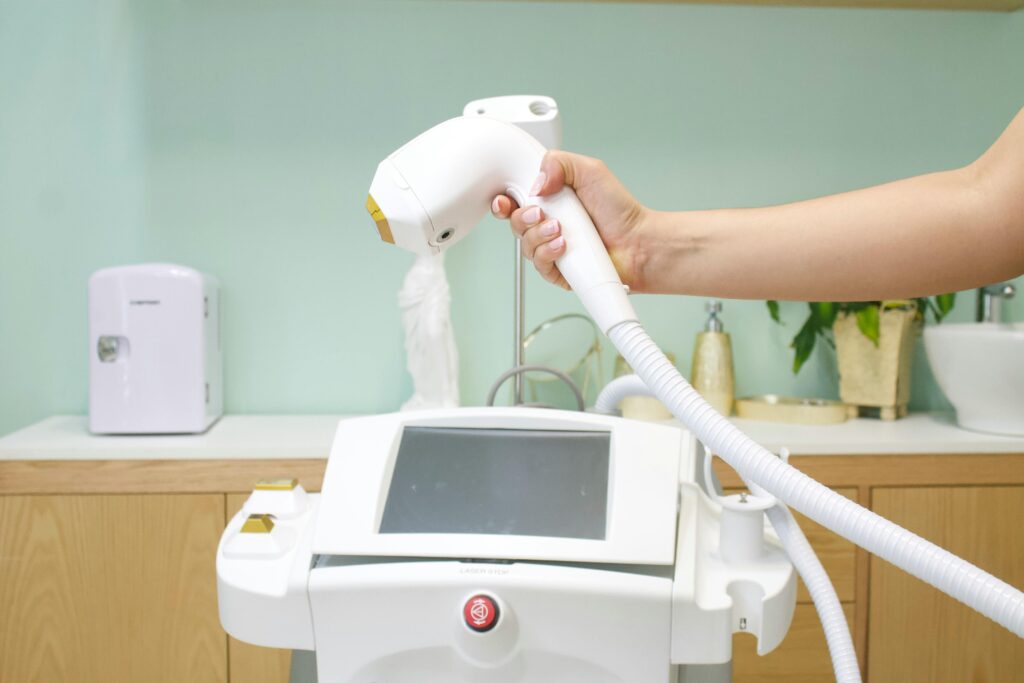
Professional Laser Hair Removal in the UK
Clinic‑based treatments and what to expect
At a UK clinic, you start with a consultation and patch test.
Staff check your skin type, hair colour, health history, and any medicines. Some drugs and conditions make skin more sensitive to light (Leeds Teaching Hospitals, 2026) (North Bristol NHS Trust, n.d.).
During treatment you wear goggles. The practitioner moves the laser handpiece across the skin and gives short pulses of light. Most people say this feels like a fast elastic‑band snap (North Bristol NHS Trust, n.d.).
Redness or slight swelling is common for a few hours. Downtime is usually low, so you can return to normal activities quickly (Leeds Teaching Hospitals, 2026) (North Bristol NHS Trust, n.d.).
A full course is often six to eight sessions. These are spaced a few weeks apart. You may need top‑ups later to keep results (Leeds Teaching Hospitals, 2026) (Norfolk and Waveney ICB, 2025).
NHS perspective and funding realities
Within the NHS, laser hair removal is usually seen as cosmetic. It is not often funded.
Exceptions exist. These include severe hirsutism, some cases of pilonidal sinus, and gender dysphoria. In such cases, hair removal may support health or mental wellbeing (Cheshire and Merseyside ICB, 2024a) (Cheshire and Merseyside ICB, 2024b) (NHS England, 2013) (Norfolk and Waveney ICB, 2025).
Integrated Care Boards, such as Cheshire and Merseyside, list these treatments as “not routinely commissioned”. Strong evidence of medical need is required before funding is approved (Cheshire and Merseyside ICB, 2024a) (Cheshire and Merseyside ICB, 2024b).
As a result, most women pay privately for clinic laser. Popular areas include legs, underarms, bikini line, and facial hair (North Bristol NHS Trust, n.d.) (NHS England, 2013).
Costs can be high. Full courses across several body areas can reach hundreds or thousands of pounds (North Bristol NHS Trust, n.d.) (Norfolk and Waveney ICB, 2025).
Pros and cons of in‑clinic laser
Clinic laser has clear strengths. Medical‑grade devices, used by trained staff, tend to work faster and give stronger results than many home devices (Leeds Teaching Hospitals, 2026) (North Bristol NHS Trust, n.d.) (Mulberry House Clinic, 2022).
Settings can be adjusted to your exact skin tone and hair type. This supports both safety and results (Leeds Teaching Hospitals, 2026) (North Bristol NHS Trust, n.d.).
However, you must attend regular appointments. This can be hard with a busy London schedule. Treatments can also feel quite sharp, especially on the bikini line or underarms (North Bristol NHS Trust, n.d.) (Mulberry House Clinic, 2022).
Because NHS funding is rare, most people pay privately. Full‑area treatment can be a big financial commitment (North Bristol NHS Trust, n.d.) (NHS England, 2013) (Cheshire and Merseyside ICB, 2024a).
At‑Home IPL Hair Removal: Convenience Meets Technology
Growth of home‑use IPL devices
Home hair removal devices have grown in popularity over the last decade. A clinical review notes that home IPL units are widely sold and must strike a balance between safety and effectiveness. They do this by using lower energy levels and built‑in safety features (Clementoni et al., 2010).
UK clinics and skin experts agree that home IPL is generally safe when used correctly. Users still need clear instructions, eye protection, and realistic expectations about how fast hair will reduce (Mulberry House Clinic, 2022) (Clementoni et al., 2010).
Most brands suggest weekly sessions at first. Over time you can move to less frequent “top‑up” treatments. This is easy to fit around work and family life (Mulberry House Clinic, 2022) (T3, 2024).
Home devices also appeal to people who value privacy. Many women feel more comfortable treating intimate areas themselves (Mulberry House Clinic, 2022) (Clementoni et al., 2010).
Safety considerations and skin suitability
Safety should always come first with laser and IPL. These tools use strong light and heat. If misused, they can cause burns or eye injury. Research into home IPL devices highlights these risks when filters are changed or safety guidance is ignored (Clementoni et al., 2010).
Newer consumer devices now include more safeguards. Many have skin‑tone sensors and contact sensors. The device only flashes when it sits flat on the skin. Some also supply protective glasses (T3, 2024) (Clementoni et al., 2010).
Like clinic laser, IPL works best on light to medium skin with darker hair. This contrast helps the light target the root (Leeds Teaching Hospitals, 2026) (Mulberry House Clinic, 2022) (Clementoni et al., 2010).
If you have a deeper skin tone, very light hair, or conditions such as eczema or photosensitivity, check guidance carefully. A consultation with a GP, dermatologist, or qualified practitioner is a sensible step (Leeds Teaching Hospitals, 2026) (North Bristol NHS Trust, n.d.) (Mulberry House Clinic, 2022) (Clementoni et al., 2010).
Effectiveness versus professional laser
Home IPL devices use lower power than clinic lasers. This reduces risk but also means slower results per session (Mulberry House Clinic, 2022) (Clementoni et al., 2010).
Clinics can often deliver visible change in fewer visits. However, you pay more per treatment and must travel there (Leeds Teaching Hospitals, 2026) (North Bristol NHS Trust, n.d.) (Mulberry House Clinic, 2022).
Evidence and expert opinion suggest good home IPL devices can still cut hair regrowth a great deal. This is especially true for legs and underarms when you use them consistently for several months (Mulberry House Clinic, 2022) (T3, 2024) (Clementoni et al., 2010).
Because you can top up quickly at home, you can maintain results without complex booking systems. This suits flexible UK lifestyles (Mulberry House Clinic, 2022) (T3, 2024).
Spotlight: Ulike Sapphire Air 3 IPL Hair Removal Device (Affiliate)
Why the Ulike Sapphire Air 3 stands out
The Ulike Air 3 IPL Hair Removal Device has gained strong coverage in the beauty press. This is due to its “Sapphire ice‑touch” cooling and simple design (T3, 2024).
IPL can feel hot on the skin. The Air 3 includes a cooling plate that soothes the area as you treat it. Many users find this more comfortable than older devices (T3, 2024) (YouTube, 2023).
Reviewers describe the sensation as a mild snap, not intense burning. This helps when treating sensitive zones like underarms or bikini line (T3, 2024) (YouTube, 2023).
The device also has three intensity modes. You can start low, then increase as your confidence and skin tolerance grow (T3, 2024).
If you want an at‑home hair removal laser option that focuses on comfort and speed, explore the Ulike Sapphire Air 3 here:
Ulike Sapphire Air 3 IPL Hair Removal Device – UK store: https://uk.ulike.com/products/sapphire-air-3-ipl-hair-removal?sca_ref=10414545.ijX8D09bDn&utm_source=uppromote&utm_medium=10-standard-commission-program&utm_campaign=londoncitygirls-tba (T3, 2024).
Purchases through this affiliate link support independent beauty content.
Key features tailored to UK beauty routines
The Ulike Sapphire Air 3 is a plug‑in handheld device. You do not have to worry about battery life during a session (T3, 2024).
Reviews say set‑up is quick. You plug it in, put on the supplied glasses, and place the head flat on the skin. The contact sensor means it flashes only when positioned correctly (T3, 2024) (YouTube, 2023).
This feature helps lower the risk of stray flashes near the eyes. It fits well with the wider safety advice for home IPL devices (T3, 2024) (Clementoni et al., 2010) (YouTube, 2023).
The design makes it easier to reach tricky spots, like knees or underarms. This is ideal if you want a smooth finish for dresses, shorts, or gym leggings (T3, 2024).
With regular use, many reviewers report less regrowth and fewer shaving sessions. This can boost daily confidence, especially in busy city routines (T3, 2024) (YouTube, 2023).
Suggested treatment plan with Ulike Air 3
Most users follow a simple plan. They treat each area two or three times a week for the first month. Later, they space sessions further apart as hair slows, always following the official instructions (T3, 2024) (Clementoni et al., 2010).
Start on the lowest intensity. Watch how your skin responds over 24 hours, particularly if you burn easily in the sun (Leeds Teaching Hospitals, 2026) (T3, 2024) (Clementoni et al., 2010).
When you feel comfortable, move to higher settings for thicker hair, such as underarms or bikini line (T3, 2024) (YouTube, 2023).
Always shave, rather than wax, before each session. This keeps the root in place so light can reach the follicle instead of burning hair above the skin (Mulberry House Clinic, 2022) (T3, 2024).
After your first course, use fast top‑up sessions every few weeks. These are easy to slot around work, brunch, or travel (Mulberry House Clinic, 2022) (T3, 2024).
GET IN TOUCH

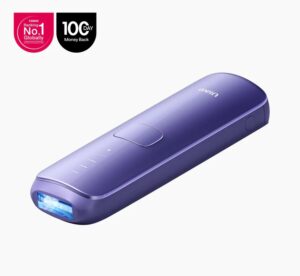
Featured Product Brand: ULike
Benefits of Hair Removal Laser and IPL for UK Women
Time savings and lifestyle fit
Waxing and daily shaving take time and planning. Many women feel they are always preparing for the next event.
Laser and IPL gradually reduce regrowth. This means less time spent removing hair in the long run (Leeds Teaching Hospitals, 2026) (Mulberry House Clinic, 2022) (T3, 2024).
You can then focus on workouts, social plans, or simple rest. It is easier to feel ready for last‑minute invites when you are already smooth.
Devices like the Ulike Sapphire Air 3 also let you choose your own schedule. You can treat skin during a quiet evening at home rather than rushing to a salon (T3, 2024) (YouTube, 2023).
Skin comfort and fewer ingrown hairs
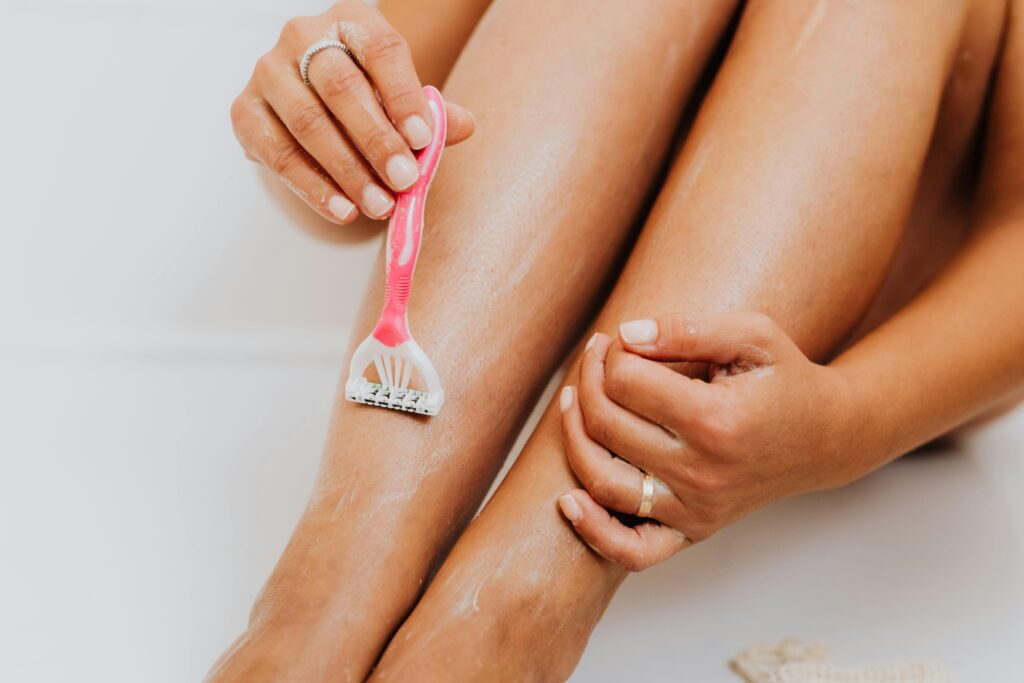
Shaving often leads to razor burn, bumps, and ingrown hairs, especially around the bikini line and thighs.
Laser and IPL work on the follicle itself. Over time there is less coarse hair to curl back into the skin (Leeds Teaching Hospitals, 2026) (North Bristol NHS Trust, n.d.) (Mulberry House Clinic, 2022).
Long‑term users often report smoother skin with fewer bumps and less “shadow” than with regular shaving or epilation (Mulberry House Clinic, 2022) (T3, 2024).
Cooling technology in devices like the Sapphire Air 3 also improves comfort during each treatment (T3, 2024) (YouTube, 2023).
Even so, you should moisturise gently and avoid strong sun straight after sessions to protect your skin barrier (Leeds Teaching Hospitals, 2026) (Mulberry House Clinic, 2022) (Clementoni et al., 2010).
Financial considerations over the long term
Clinic laser courses and premium home devices can look expensive at first.
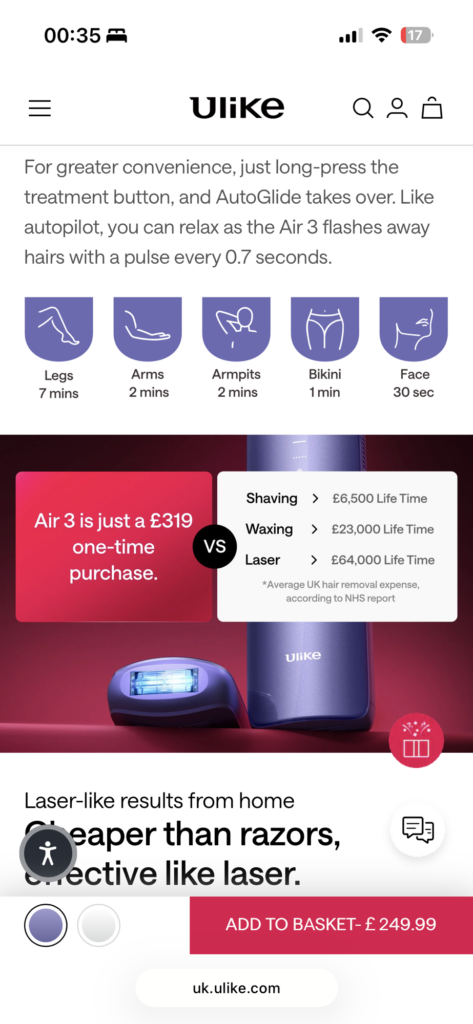
However, when you add up years of waxing, razors, gels, and emergency pre‑holiday treatments, costs can even out or favour laser and IPL (North Bristol NHS Trust, n.d.) (Mulberry House Clinic, 2022).
Clinic courses cost more per area but may give quicker change in a short time frame (Leeds Teaching Hospitals, 2026) (North Bristol NHS Trust, n.d.).
A home IPL device such as the Ulike Sapphire Air 3 is a one‑off purchase. You can use it on multiple body areas and, if suitable, share it with family members. This spreads the cost (Mulberry House Clinic, 2022) (T3, 2024).
For many UK users, buying one device feels easier than booking and paying for regular salon visits (Mulberry House Clinic, 2022) (T3, 2024) (YouTube, 2023).
Risks, Contraindications, and How to Stay Safe
When laser and IPL might not be suitable
Laser and IPL are not right for everyone. People with very dark skin, certain health issues, or photosensitising medicines may face higher risks of burns and pigment changes (Leeds Teaching Hospitals, 2026) (North Bristol NHS Trust, n.d.) (Clementoni et al., 2010).
NHS guidance stresses careful patient selection and evidence‑based decisions for hair removal procedures, especially where public funds might be used (Cheshire and Merseyside ICB, 2024a) (Cheshire and Merseyside ICB, 2024b) (NHS England, 2013).
Always read manuals in full. Seek advice if you have keloid scarring, active eczema, psoriasis, or moles in the area you want to treat (Leeds Teaching Hospitals, 2026) (Mulberry House Clinic, 2022) (Clementoni et al., 2010).
Pregnant women are usually advised to avoid laser and IPL. Data on safety during pregnancy are limited, so speak to your GP or midwife first (Leeds Teaching Hospitals, 2026) (Clementoni et al., 2010).
Possible side effects and how to minimise them
Short‑term side effects include redness, warmth, and slight swelling. These normally settle within a few hours or a day (Leeds Teaching Hospitals, 2026) (North Bristol NHS Trust, n.d.).
More serious burns or pigment changes are rare but can occur. They are more likely when you use the wrong settings or treat sun‑exposed skin (Leeds Teaching Hospitals, 2026) (Clementoni et al., 2010).
To stay safe, avoid tanning and fake tan before treatment. Shave, rather than wax, and follow aftercare advice. This often includes avoiding hot baths, saunas, and direct sun for at least 24 to 48 hours (Leeds Teaching Hospitals, 2026) (North Bristol NHS Trust, n.d.) (Mulberry House Clinic, 2022).
With home IPL, never alter safety features or skip the recommended goggles. Always patch test on the lowest setting first (Mulberry House Clinic, 2022) (T3, 2024) (Clementoni et al., 2010).
If you experience strong pain, blistering, or dark or light patches on the skin, stop using the device. Seek medical advice, ideally from a GP or dermatologist who knows about laser treatments (Leeds Teaching Hospitals, 2026) (Clementoni et al., 2010).
Regulatory and quality considerations in the UK
In the UK, laser and IPL devices must meet safety and performance standards. Policy documents stress the need for clear proof of safety and benefit before hair removal is offered through public services (Cheshire and Merseyside ICB, 2024a) (Cheshire and Merseyside ICB, 2024b) (NHS England, 2013).
Good clinics use CE‑marked or UKCA‑marked devices and staff with laser safety training. Do not hesitate to ask about this during your consultation (North Bristol NHS Trust, n.d.) (NHS England, 2013).
When buying a home IPL device, use official retailers or the brand’s UK website. This helps you avoid counterfeit products and ensures a proper warranty and aftercare (Mulberry House Clinic, 2022) (T3, 2024).
Buying the Ulike Sapphire Air 3 from the official UK site through the affiliate link gives you direct access to the brand’s support and returns policy (T3, 2024).
How to Choose Between Clinic Laser and At‑Home IPL
Key questions to ask yourself
Before choosing, think about your main priorities.
If you want fast results for a big event and can invest more upfront, clinic laser may suit you best (Leeds Teaching Hospitals, 2026) (North Bristol NHS Trust, n.d.) (Mulberry House Clinic, 2022).
If flexibility, privacy, and long‑term value matter more, home IPL can be ideal. It still gives strong reduction if you follow the plan (Mulberry House Clinic, 2022) (T3, 2024) (YouTube, 2023).
Consider your pain tolerance and how well you stick to routines. Ask yourself whether you feel more relaxed in a clinic or treating yourself at home.
Also think about sharing the device with a partner or family member, if safe and allowed. This can raise the value of a home system (Mulberry House Clinic, 2022) (T3, 2024).
Hair Laser At Home vs Clinic – Quick comparison overview
| Option | Where it is done | Typical power level | Time to visible results | Upfront cost | Ideal for |
|---|---|---|---|---|---|
| Professional laser hair removal | Licensed clinic or medical centre (Leeds Teaching Hospitals, 2026) (North Bristol NHS Trust, n.d.) | Higher, medical‑grade lasers (Leeds Teaching Hospitals, 2026) (North Bristol NHS Trust, n.d.) | Often noticeable after a few sessions (Leeds Teaching Hospitals, 2026) (North Bristol NHS Trust, n.d.) | Higher per area and per session (North Bristol NHS Trust, n.d.) (NHS England, 2013) (Cheshire and Merseyside ICB, 2024a) | Those wanting maximum speed and tailored settings |
| At‑home IPL (e.g. Ulike Sapphire Air 3) | Home, using handheld device (Mulberry House Clinic, 2022) (T3, 2024) | Lower, consumer‑safe IPL output (Mulberry House Clinic, 2022) (Clementoni et al., 2010) | Gradual over several weeks to months (Mulberry House Clinic, 2022) (T3, 2024) | One‑off device purchase (Mulberry House Clinic, 2022) (T3, 2024) | Those seeking flexibility, privacy, and long‑term savings |
Practical Tips for Integrating Hair Removal Laser into Your Routine
Preparing your skin
Good preparation makes treatments safer and more effective.
Shave the area the day before or the morning of your session so light reaches the follicle instead of burning surface hair (Leeds Teaching Hospitals, 2026) (Mulberry House Clinic, 2022) (T3, 2024).
Avoid waxing, epilating, or threading for at least four weeks before treatment. These remove the root that laser and IPL need to target (Leeds Teaching Hospitals, 2026) (Mulberry House Clinic, 2022).
Stay away from tanning and self‑tan on the area. Use SPF 30 or higher on exposed skin before and after sessions to lower the risk of pigment changes (Leeds Teaching Hospitals, 2026) (North Bristol NHS Trust, n.d.).
If you use acids or retinoids on the area, ask your clinic or check your device guide about pausing them. This reduces the chance of irritation (Leeds Teaching Hospitals, 2026) (Mulberry House Clinic, 2022) (Clementoni et al., 2010).
Aftercare and maintaining results
After each treatment, the skin may feel warm and slightly sensitive. Apply a gentle, fragrance‑free moisturiser or aloe gel. Wear loose clothing over treated zones (Leeds Teaching Hospitals, 2026) (Mulberry House Clinic, 2022).
Avoid hot showers, saunas, hard workouts, or chlorinated pools for about 24 hours. This helps your skin barrier recover (Leeds Teaching Hospitals, 2026) (North Bristol NHS Trust, n.d.).
Hairs will shed over the following days and weeks. Do not pluck them. If needed, shave between treatments instead (Leeds Teaching Hospitals, 2026) (Mulberry House Clinic, 2022).
For home IPL, set calendar reminders so you stay consistent. Devices like the Ulike Sapphire Air 3 work best when you stick to the schedule (Mulberry House Clinic, 2022) (T3, 2024).
Once you reach your goal, occasional top‑up sessions every month or two will help keep skin smooth in the long term (Mulberry House Clinic, 2022) (T3, 2024).
Conclusion
Laser hair removal and at‑home IPL are changing how UK women manage body hair. Both options offer longer‑lasting smoothness and give you more control over your beauty routine.
Clinic laser offers expert care and fast results, but it costs more and needs regular visits (Leeds Teaching Hospitals, 2026) (North Bristol NHS Trust, n.d.) (NHS England, 2013) (Cheshire and Merseyside ICB, 2024a).
Home devices like the Ulike Sapphire Air 3 give a strong at‑home option. They mix cooling technology, simple controls, and solid results for users who follow a clear plan (Mulberry House Clinic, 2022) (T3, 2024) (YouTube, 2023).
By understanding the pros, cons, and safety tips, you can choose the hair removal laser approach that fits your skin, lifestyle, and budget.
This makes it easier to feel confidently smooth, whether you are riding the Tube, going out in London, or relaxing at home.
References
Cheshire and Merseyside ICB. (2024a). Hirsutism, hair removal treatments (photo‑epilation, laser or electrolysis). Cheshire and Merseyside Integrated Care Board. Available at: https://www.cheshireandmerseyside.nhs.uk/media/2lwauioc/pol-clin053-hirsutismhairremoval-draft-v04.pdf (Accessed: 10 March 2026).
Cheshire and Merseyside ICB. (2024b). Hirsutism, hair removal treatment (photo‑epilation, laser or electrolysis). Cheshire and Merseyside Integrated Care Board. Available at: https://www.cheshireandmerseyside.nhs.uk/media/fjoihfhp/pol-clin053-hirsutismhairremoval-final-v05.pdf (Accessed: 10 March 2026).
Clementoni, M. et al. (2010). Are home‑use intense pulsed light (IPL) devices safe? PubMed. Available at: https://pubmed.ncbi.nlm.nih.gov/20625788/ (Accessed: 10 March 2026).
Leeds Teaching Hospitals NHS Trust. (2026). Laser Hair Reduction. Leeds Teaching Hospitals NHS Trust. Available at: https://www.leedsth.nhs.uk/patients/resources/laser-hair-reduction/ (Accessed: 10 March 2026).
Mulberry House Clinic. (2022). Are Home IPL Devices Worth It? Mulberry House Clinic. Available at: https://www.mulberryhouseclinic.co.uk/2022/11/15/are-home-ipl-devices-worth-it/ (Accessed: 10 March 2026).
NHS England. (2013). Interim Clinical Commissioning Policy: Hair Removal (including Electrolysis and Laser Therapy). NHS England. Available at: https://www.england.nhs.uk/commissioning/wp-content/uploads/sites/12/2013/11/N-SC017.pdf (Accessed: 10 March 2026).
North Bristol NHS Trust. (n.d.). Hair removal | Bristol Laser Centre. North Bristol NHS Trust. Available at: https://www.nbt.nhs.uk/bristol-laser-centre/laser-treatments/hair-removal (Accessed: 10 March 2026).
Norfolk and Waveney ICB. (2025). Laser Hair Removal – Non‑face body areas & for non‑cosmetic reasons. Norfolk and Waveney Integrated Care Board. Available at: https://nwknowledgenow.nhs.uk/content/laser-hair-removal-non-face-body-areas-for-non-cosmetic-reasons/ (Accessed: 10 March 2026).
T3. (2024). Ulike Air 3 IPL Hair Removal review. T3. Available at: https://www.t3.com/reviews/ulike-air-3 (Accessed: 10 March 2026).
YouTube. (2023). I tried the Famous Ulike Sapphire Air 3 – Does it actually work? At home IPL Hair Removal. YouTube. Available at: https://www.youtube.com/watch?v=Xcaprx9QI1k (Accessed: 10 March 2026).