
A deep cleansing facial is a professional facial treatment that focuses on thoroughly cleaning pores, removing surface build‑up and improving skin texture while protecting the skin barrier (Milady, 2024).
It follows a structured protocol that includes consultation, skin analysis, cleansing, exfoliation, warming, extractions, massage and masking, in line with UK occupational standards for facial skincare (UK Standards, 2023).
Moreover, therapists must apply strict hygiene, consultation and aftercare procedures so the treatment remains effective, safe and fully insurance‑compliant in UK practice (NHBF, 2024).

What a deep cleansing facial is
A deep cleansing facial is a structured facial treatment designed to improve and maintain skin condition through intensive cleansing and pore management (Milady, 2024).
It goes beyond a basic spa cleanse by incorporating exfoliation and, in many cases, manual extraction of comedones in a controlled manner (UK Standards, 2023).
Furthermore, UK professional standards describe deep cleansing as a key element within wider facial skincare protocols, not an isolated step (UK Standards, 2023).
The goal is not to strip the skin, but to support barrier function, reduce congestion and prepare the skin for targeted products (Rawlings and Harding, 2020).
UK professional standards for deep cleansing facials
Professional UK standards for facial skincare treatments set clear expectations for consultation, hygiene, technique and record‑keeping (UK Standards, 2023).
These standards underpin qualifications regulated through frameworks used by awarding bodies and sector skills organisations in hair and beauty (BABETC, 2023).
Moreover, therapists must follow safe and hygienic working practices at every stage, including hand disinfection, tool sanitation, and careful management of cross‑infection risks (UK Standards, 2019).
Insurers and trade bodies stress that these standards, together with manufacturers’ instructions, form the basis for competent, insurable practice (PolicyBee, 2025).
Core elements required by UK standards
According to current UK facial skincare standards, a professional facial, including deep cleansing, should always:
- Begin with a concise, comprehensive consultation and skin analysis, including skin type, condition and concerns (UK Standards, 2023).
- Record informed consent and explain expected sensations, outcomes, contraindications and possible reactions clearly (UK Standards, 2023).
- Use an appropriate deep cleanse, exfoliation and skin warming technique, such as steam or hot towels, where suitable (UK Standards, 2023).
- Perform any manual comedone extraction safely, within scope of training and insurance cover (BABETC, 2023).
- Conclude with appropriate mask, serum and moisturiser, plus bespoke home‑care advice and aftercare instructions (Milady, 2024).
Additionally, therapists must complete treatment records and store them according to data protection legislation and salon policy (UK Standards, 2023).
This record‑keeping supports continuity of care, auditing and insurance evidence if needed (PolicyBee, 2025).
Step‑by‑step: What happens during a deep cleansing facial
The exact sequence differs by brand and training provider, yet most deep cleansing facials follow a recognisable structure (Milady, 2024).
The outline below reflects common UK professional practice.

1. Consultation and skin analysis
The treatment begins with a consultation that covers medical history, skin concerns, current skincare and lifestyle factors, such as stress and diet (UK Standards, 2023). Furthermore, therapists use questioning, visual checks and sometimes digital tools to classify skin type and condition accurately (UK Standards, 2019).
This information helps identify contraindications, such as active infections, severe sunburn or recent peels, which may require adaptation or postponement (British Association of Dermatologists, 2024). Therefore, consultation forms a critical safety and planning step, not optional chat.

2. Superficial cleanser
The therapist first removes makeup, SPF and superficial impurities using a suitable cleanser, often twice for thoroughness (Milady, 2024). In UK standards, this “superficial cleanse” prepares the treatment area before deeper work begins (UK Standards, 2023).
Moreover, the cleanser type should match skin type and sensitivity, avoiding stripping formulas on already dry or compromised skin (Rawlings and Harding, 2020). Gentle massage movements support circulation and help the therapist assess skin texture and reactivity.

3. Deep cleanse
The deep cleansing step uses a second cleanser or targeted product designed to reach deeper into pores and dissolve sebum and debris (Milady, 2024). This may involve gel, lotion or cream formulas containing mild surfactants, clays or enzymes, depending on training and brand guidelines (Draelos, 2016).
Additionally, UK standards emphasise working within manufacturer instructions and respecting skin tolerance (UK Standards, 2023). Over‑massaging or over‑processing at this stage can compromise the barrier, so controlled timing and observation are essential (Rawlings and Harding, 2020).

4. Exfoliation
Exfoliation removes dead cells from the stratum corneum, which helps unclog pores and improve skin texture (Watson, 2019). Professional deep cleansing facials may use:
- Mechanical exfoliation, such as fine scrubs, used gently and with caution.
- Chemical exfoliation, such as low‑strength alpha‑ or beta‑hydroxy acids.
- Enzymatic exfoliation, using fruit enzymes to digest corneocyte links.
Furthermore, academic work highlights that over‑exfoliation can impair barrier lipids and increase sensitivity (Rawlings and Harding, 2020). Therefore, UK standards expect therapists to adjust strength and contact time based on skin type, sensitivity and previous treatments (UK Standards, 2023).

5. Skin warming
Many deep cleansing facials include a warming stage using steam or hot towels to soften sebum, increase blood flow and prepare the skin for extractions (Draelos, 2016). UK facial standards explicitly reference selecting a skin‑warming technique according to protocol, such as steam or hot towel (UK Standards, 2023).
However, warming is not appropriate for every client. For example, sensitive, rosacea‑prone or highly vascular skins may react badly to strong heat (British Association of Dermatologists, 2024). Consequently, professional judgement and careful monitoring are vital.

6. Extractions
Extractions involve manually removing open comedones (blackheads) and some closed comedones in a controlled way, usually with gloved fingers or approved tools (Milady, 2024). UK standards describe this as “manual comedone extraction” and expect therapists to follow protocol, keeping pressure minimal and controlled (UK Standards, 2023).
Moreover, extractions should avoid inflamed pustules or papules, which may worsen if squeezed (British Association of Dermatologists, 2024). When acne is more severe, referral to a medical professional may be appropriate, aligning with evidence‑based practice principles (Sivamani et al., 2019).

7. Massage
Facial massage forms part of many deep cleansing facials once the cleansing phase ends. It uses selected massage mediums and techniques to support relaxation, circulation and lymphatic drainage (Chiu, 2017).
UK standards highlight the need to select appropriate massage medium and techniques agreed in the treatment plan (UK Standards, 2023).
Additionally, modern practice often incorporates elements of sculpting or lymphatic drainage, which can reduce puffiness and tension (Chiu, 2017).
However, massage may be limited or adapted if there are contraindications, such as certain circulatory conditions.

8. Mask
A mask helps calm, hydrate or purify the skin after extractions and massage. Clay‑based masks can absorb excess oil and refine pores, while cream or gel masks provide soothing and moisture (Draelos, 2016). UK standards require therapists to select, apply and remove mask products according to protocol and skin needs (UK Standards, 2023).
Furthermore, mask time offers a chance to check comfort, observe skin response and adjust future treatment planning. It also supports the sensory and relaxation aspects clients value in professional facials (Mintel, 2025).
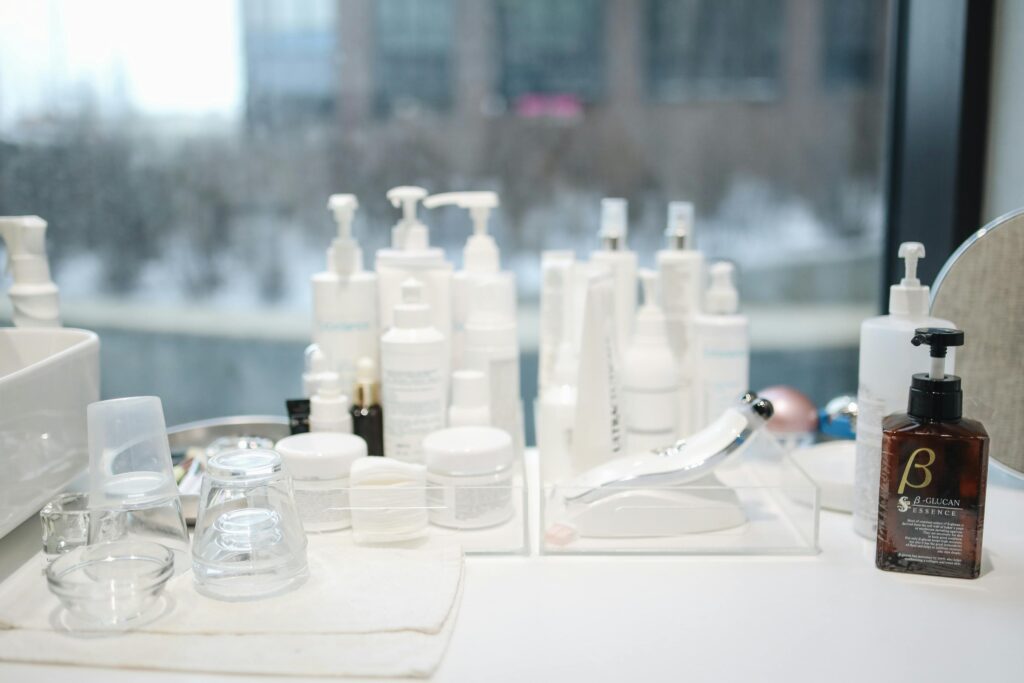
9. Finishing products and aftercare
The facial concludes with toner, serum, moisturiser and daytime SPF where appropriate. This finishing step restores protection and prepares clients to leave safely, especially after exfoliation or extractions (Watson, 2019).
Additionally, therapists provide tailored aftercare advice, including product recommendations, sun protection guidance and information about possible short‑term redness or purging (UK Standards, 2023).
Good aftercare supports results and reduces the risk of adverse reactions (BABETC, 2023).
Skin benefits of a deep cleansing facial
A well‑performed deep cleansing facial can offer both immediate and longer‑term skin benefits when used as part of a wider routine.
Immediate benefits of a deep cleansing facial
Clients usually notice:
- Smoother skin texture, due to exfoliation and removal of surface build‑up (Watson, 2019).
- Reduced visible congestion, when extractions clear blackheads and clogged pores (Milady, 2024).
- Brighter appearance, because light reflects better from exfoliated skin.
Moreover, the massage and warm towels can promote relaxation and a sense of wellbeing, which links indirectly to better skin behaviour in stress‑sensitive conditions (Sivamani et al., 2019).
Long‑term benefits
When carried out at appropriate intervals and paired with professional home care, deep cleansing facials may help:
- Reduce the frequency of comedonal breakouts (Khunger, 2018).
- Maintain healthier skin barrier function by balancing exfoliation with hydration (Rawlings and Harding, 2020).
- Improve response to active ingredients, because products penetrate more effectively after build‑up is reduced (Draelos, 2016).
However, over‑treating, especially with very frequent extractions or strong exfoliants, can compromise the barrier. Therefore, professional scheduling and tailored intensity are essential.
Safety, contraindications and UK regulatory context
Although deep cleansing facials are classed as non‑invasive, they still carry potential risks if performed poorly or on unsuitable clients (British Association of Dermatologists, 2024).
Common short‑term reactions include redness, mild swelling and occasional breakouts after extractions.
Contraindications and precautions
Therapists should screen for:
- Active infections or broken skin, especially in treatment areas.
- Severe inflammatory acne or skin disease requiring medical care.
- Recent chemical peels, microneedling or laser treatments.
- Allergies or sensitivities to key ingredients.
UK occupational standards and professional guidelines emphasise the importance of recognising contraindications, adapting or declining treatment and referring when appropriate (UK Standards, 2023; BABETC, 2023).
Moreover, accurate consultation records help demonstrate that due care was taken if questions arise later.
Regulation and licensing environment
In the UK, basic facial skincare sits at the lower‑risk end of non‑surgical cosmetic treatments.
Yet there is increasing focus on minimum training, hygiene and insurance standards across the aesthetics sector (Department of Health and Social Care, 2024).
Proposed licensing schemes mainly target higher‑risk procedures, such as advanced peels, injectables and energy‑based devices (Smileworks Hub, 2025).
Nevertheless, the same general principles apply to deep cleansing facials: practitioners should hold appropriate qualifications, follow evidence‑based protocols and maintain robust infection‑control procedures (UK Standards, 2023; NHBF, 2024).
Additionally, insurers usually require proof of recognised training and adherence to industry codes of practice (PolicyBee, 2025).
How salons can position deep cleansing facials in 2026
In 2026, many UK clients search online for solutions to congestion, breakouts, blackheads and “clogged pores”. Deep cleansing facials answer these concerns, but they compete with at‑home devices and social‑media hacks (Mintel, 2025).
Salons can therefore:
- Emphasise professional standards, hygiene and safety, differentiating their services from unverified DIY methods.
- Educate clients via blogs and social posts about what a deep cleansing facial really involves and why it is not just “squeezing spots”.
- Offer packages that combine deep cleansing with barrier repair or calming facials to avoid over‑stripping.
Moreover, integrating consultation‑led plans and home‑care recommendations positions the facial as part of a skincare journey, not a one‑time fix (Watson, 2019).
This approach aligns with evidence‑based practice and supports stronger long‑term client relationships.
Reference list (Harvard style)
BABETC (2023) Standards for advanced beauty, aesthetics and wellbeing. London: British Association of Beauty Therapy and Cosmetology.
British Association of Dermatologists (2024) Guidelines for cosmetic dermatology procedures. London: British Association of Dermatologists.
Chiu, A. (2017) ‘Facial massage and lymphatic drainage techniques in cosmetic practice’, Journal of Cosmetic Dermatology, 16(4), pp. 514–520.
Department of Health and Social Care (2024) Licensing of non‑surgical cosmetic procedures: policy update. London: DHSC.
Draelos, Z.D. (2016) Cosmetic dermatology: products and procedures. 3rd edn. Hoboken: Wiley-Blackwell.
Khunger, N. (2018) Step by step chemical peels. New Delhi: Jaypee Brothers Medical Publishers.
Milady (2024) Milady standard esthetics: fundamentals. 13th edn. Boston: Cengage Learning.
Mintel (2025) Facial skincare and salon services – UK. London: Mintel Group Ltd.
NHBF (2024) State of the UK hair and beauty industry 2024. London: National Hair & Beauty Federation.
PolicyBee (2025) UK hair and beauty industry statistics 2025. Available at: https://www.policybee.co.uk/blog/uk-hair-and-beauty-industry-statistics (Accessed: 11 January 2026).
Rawlings, A.V. and Harding, C.R. (2020) ‘Moisturization and skin barrier function’, in Agache, P. and Humbert, P. (eds.) Measuring the skin. 2nd edn. Berlin: Springer, pp. 525–546.
Sivamani, R.K., Jagdeo, J.R. and Elsner, P. (2019) Cosmeceuticals and active cosmetics. 3rd edn. Boca Raton: CRC Press.
UK Standards (2019) Assist with facial skin care treatments (SKABT2). Available at: https://www.ukstandards.org.uk (Accessed: 11 January 2026).
UK Standards (2023) Provide facial skincare treatments (SKABBR2). Available at: https://ukstandards.org.uk/en/nos-finder/SKABBR2/provide-facial-skincare-treatments (Accessed: 11 January 2026).ukstandards
Watson, R.E.B. (2019) ‘Cutaneous ageing and topical interventions’, Dermato‑Endocrinology, 11(1), e1622366.
Citations
- https://ukstandards.org.uk/en/nos-finder/SKABBR2/provide-facial-skincare-treatments
- https://www.ukstandards.org.uk/en/nos-finder/SKABT2/assist-with-facial-skin-care-treatments
- https://smileworks-hub.co.uk/free-resources-news/new-regulations-for-aesthetics-2024/
- https://lasecosmetic.com/uk-aesthetics-regulations-for-cosmetic-treatments/
- https://www.attractabeautyawards.com/2026-categories
- https://www.facebook.com/PersonaBeautyAesthetics/videos/as-we-move-towards-2026-its-important-to-understand-that-the-uk-aesthetics-indus/2042887643168657/
- https://www.independent.co.uk/life-style/fashion/skin-nottingham-botox-tiktok-fermanagh-b2883162.html
- https://www.uktherapyrooms.co.uk/articles/aesthetics-room-equipment-essentials-from-basic-facials-to-advanced-procedures
- https://www.instagram.com/p/DTI3jWxDruE/