
Introduction
If you live in London, your skin works overtime.
Between pollution, hard water, busy commutes and changeable weather, your complexion faces daily stress.
Consequently, many dermatologists now recommend adding a targeted antioxidant serum into your routine.
Among all the options available, vitamin C serums stand out as one of the most researched cosmetic products.
In this article, you will learn why vitamin C serums are beneficial, how they work, and how to use them safely within a UK skincare routine.
What Is A Vitamin C Serum?
A vitamin C serum is a water or oil based cosmetic product that delivers concentrated vitamin C directly to the skin.
Usually, it contains active forms such as L‑ascorbic acid or stabilised derivatives like ascorbyl glucoside.
These formulas sit under the “cosmeceutical” category, where cosmetic products have biologically active ingredients.
Because only a small amount of dietary vitamin C reaches the skin, topical application gives a more targeted boost (Pinnell, 2017).
Therefore, serums help compensate for environmental stress that particularly affects urban areas like London.
Why topical vitamin C matters
Researchers note that the skin has high vitamin C requirements for collagen formation and antioxidant defence (Pullar, Carr and Vissers, 2017).
However, blood levels do not always translate into high skin concentrations.
As a result, using a serum can increase local availability in the epidermis and dermis (Pinnell, 2017).
Dermatology reviews describe topical vitamin C as having antioxidative, photoprotective, anti‑ageing and anti‑pigmentary actions when used correctly (Pinnell, 2017).
This evidence underpins why vitamin C serums are beneficial beyond simple cosmetic marketing.
Key Skin Benefits Of Vitamin C Serums
Powerful antioxidant protection
Every day, your skin encounters free radicals from UV rays, pollution and cigarette smoke.
Free radicals damage proteins, lipids and DNA, which accelerates visible ageing.
Vitamin C acts as a potent antioxidant, meaning it neutralises these unstable molecules before they cause harm (Harvard Health Publishing, 2021).
When paired with sunscreen, topical vitamin C helps protect against UV induced damage and sunburn cell formation (Harvard Health Publishing, 2021).
For Londoners exposed to high traffic pollution, this extra antioxidant shield can be especially valuable.
Support for collagen and firmness
Collagen keeps skin firm, smooth and resilient.
With age, natural collagen production declines, leading to fine lines and loss of elasticity.
Vitamin C is an essential co‑factor for enzymes that stabilise and cross‑link collagen fibres in the skin (Pullar, Carr and Vissers, 2017).
Clinical studies show that using 5–10% topical vitamin C for several months improves the appearance of wrinkles and skin texture compared with placebo (Pinnell, 2017).
Furthermore, some research notes increases in markers of collagen production after regular vitamin C application (Boston Derm Advocate, 2024).
Brighter, more even skin tone
Many people choose vitamin C serums for their brightening effect.
Vitamin C can interfere with tyrosinase, the key enzyme involved in melanin production, which helps reduce uneven pigmentation (Pinnell, 2017).
A clinical melasma study using a 25% vitamin C formulation reported a significant decrease in pigmentation after 16 weeks of use (Pinnell, 2017).
UK health resources also note that vitamin C may lessen the appearance of dark patches by switching off tyrosinase activity and reducing inflammation (Patient.info, 2025).
Therefore, consistent use can gradually lead to a clearer, more luminous complexion when combined with daily sun protection.
Improved radiance and texture
Beyond targeting dark spots, vitamin C serums often make skin look more radiant overall.
Clinical research indicates that antioxidant formulations significantly improve skin brightness and superficial pigmentation within six weeks (Branco et al., 2021).
Other trials report improvements in roughness and general photodamage after several months of use (Pinnell, 2017).
Because vitamin C supports barrier function, it can also help reduce dullness caused by dehydration and environmental stress (Patient.info, 2025).
Consequently, many London beauty enthusiasts use vitamin C serums as a daily glow booster.
Support for a healthy skin barrier
A strong skin barrier keeps irritants out and water in.
Vitamin C contributes to normal barrier function by supporting lipid synthesis and reducing oxidative stress in the outer skin layers (Pullar, Carr and Vissers, 2017).
UK dermatology experts highlight that a healthier barrier retains more moisture and withstands pollution better, which is vital in large cities (Patient.info, 2025).
Many serums now pair vitamin C with hydrating ingredients like hyaluronic acid to enhance this effect (Brieflands, 2023).
This combination can be particularly soothing for skin that feels tight or dehydrated after commuting across London.
Why Vitamin C Serums Matter For London Skin
Daily exposure to pollution
London consistently reports higher levels of nitrogen dioxide and particulate matter than many rural areas.
Airborne pollutants generate free radicals and can weaken the skin barrier, contributing to pigmentation and premature ageing.
Antioxidant serums with vitamin C help neutralise these pollutants before they trigger inflammatory cascades (Pullar, Carr and Vissers, 2017).
Dermatology guidance suggests combining vitamin C with broad‑spectrum SPF to offer better defence against the combined effects of sun and pollution (Harvard Health Publishing, 2021).
For city residents, this two‑step protection can make a visible difference over time.
Indoor–outdoor lifestyle and screen time
Many people working in London spend hours under office lighting and in front of screens.
While screens emit far less energy than direct sunlight, they still contribute to oxidative stress through blue light exposure.
Antioxidants like vitamin C help counteract this low level but chronic stress on the skin (Pullar, Carr and Vissers, 2017).
Furthermore, open‑plan offices and air conditioning can dry the skin, making barrier support from vitamin C serums even more helpful (Patient.info, 2025).
Together, these factors explain why vitamin C has become a hero ingredient across UK beauty routines.
Synergy with established UK skincare habits
In the UK, daily moisturiser and SPF use are well established among skincare engaged consumers.
Vitamin C serums integrate easily into these routines.
They can slot between cleansing and moisturising without adding complicated steps.
Beauty retailers report that vitamin C serums rank among their most popular skincare products, alongside peptide and retinoid formulas (Who What Wear, 2025).
Consequently, they appeal to both skincare beginners and advanced enthusiasts seeking evidence‑based active ingredients.
How Vitamin C Works In The Skin
Antioxidant and photoprotective mechanisms
Vitamin C donates electrons to neutralise reactive oxygen species generated by UV light and pollution.
In doing so, it helps prevent peroxidation of lipids and damage to cellular components (Pullar, Carr and Vissers, 2017).
When combined with vitamin E and ferulic acid, vitamin C shows enhanced stability and photoprotection in clinical testing (Harvard Health Publishing, 2021).
This synergy is why many high‑end serums include multiple antioxidants in one formula.
Although vitamin C cannot replace sunscreen, it meaningfully boosts the skin’s own defence system.
Tyrosinase inhibition and pigmentation control
Melanin production begins when tyrosinase converts tyrosine into melanin precursors.
Vitamin C interacts with copper ions at the tyrosinase active site, which reduces enzyme activity (Pinnell, 2017).
By slowing this step, vitamin C can reduce excess melanin formation that leads to brown patches and uneven tone.
Clinical formulations containing vitamin C and other antioxidants have shown significant reductions in hyperpigmentation after six weeks (Branco et al., 2021).
However, dermatologists still emphasise daily SPF as essential to prevent new pigmentation forming.
Collagen synthesis and anti‑ageing
Collagen molecules require hydroxylation of certain amino acids during formation.
Vitamin C acts as a co‑factor for the enzymes that perform this hydroxylation, stabilising collagen structure (Pullar, Carr and Vissers, 2017).
Human studies using topical vitamin C have documented improved wrinkle scores and increased dermal collagen markers compared with placebo (Pinnell, 2017).
While results are gradual, they support including vitamin C in long‑term anti‑ageing strategies.
Therefore, vitamin C serums complement retinoids and peptides rather than replacing them.
How To Choose A Vitamin C Serum In The UK
Check the vitamin C type and concentration
Different vitamin C forms suit different skin types.
L‑ascorbic acid is the most studied and typically works best between 10% and 20% concentration (Harvard Health Publishing, 2021).
However, it can feel strong on sensitive or dry skin because it requires a low pH to remain active.
Derivatives such as ascorbyl glucoside or tetrahexyldecyl ascorbate are often gentler yet still deliver brightening benefits over time (Brieflands, 2023).
If you are new to actives, start with a lower concentration and build gradually.
Look for stable, well‑packaged formulas
Vitamin C oxidises easily when exposed to light, heat and air.
Oxidised serum turns darker and becomes less effective, sometimes more irritating.
Therefore, dermatology resources recommend choosing products in opaque or dark glass bottles with air‑tight pumps (Harvard Health Publishing, 2021).
Many leading London beauty brands now highlight stabilised formulations and protective packaging on their labels.
Storing serums away from direct sunlight, and even in the fridge, can extend their useful life.
Consider added ingredients for London lifestyles
Many vitamin C serums include additional antioxidants, hydrators or soothing agents.
Hyaluronic acid and glycerin help counteract potential dryness and boost hydration (Brieflands, 2023).
Niacinamide can support barrier repair and reduce redness, which benefits those with reactive skin in cold or windy conditions (Pullar, Carr and Vissers, 2017).
Ferulic acid and vitamin E improve vitamin C stability and photoprotection, making them popular in premium serums (Harvard Health Publishing, 2021).
Choosing a well balanced formula helps maximise benefits while minimising irritation.
How To Use Vitamin C Serum In Your Routine
Step‑by‑step morning routine
Most people apply vitamin C serums in the morning for daytime antioxidant protection.
After cleansing, pat your skin dry and apply a few drops of serum to the face and neck.
Gently press it in rather than rubbing vigorously, especially around delicate eye areas.
Follow with a simple moisturiser to lock in hydration.
Always finish with broad‑spectrum SPF 30 or higher, which is essential to protect against UV damage and support brightening results (Harvard Health Publishing, 2021).
Evening options and combination with other actives
Some individuals prefer using vitamin C at night, especially if their morning routine is already busy.
Evening use still provides antioxidant replenishment and supports repair after daytime stress.
You can also alternate vitamin C with retinoids on different nights if your skin is sensitive.
Dermatologists often recommend introducing only one strong active at a time and monitoring your skin’s response (Harvard Health Publishing, 2021).
Furthermore, avoid layering vitamin C immediately with exfoliating acids if you experience stinging or redness.
How long until you see results?
Most clinical research tracks vitamin C use over several weeks or months.
Studies report visible improvements in fine lines, texture and pigmentation from around twelve weeks of daily use (Pinnell, 2017).
Some users notice extra radiance sooner as hydration and surface smoothness improve.
However, because vitamin C helps prevent future damage, many of its benefits are long term and preventative.
Consistency matters more than using the highest possible percentage for a short time.
Safety, Side Effects And Who Should Avoid It
Common side effects and how to reduce them
Most people tolerate vitamin C serums well, especially at moderate strengths.
Possible side effects include mild stinging, redness or temporary dryness.
These usually settle as the skin barrier adapts.
To minimise discomfort, start with alternate‑day use and apply moisturiser afterwards (Harvard Health Publishing, 2021).
If you develop persistent burning or rash, stop using the product and consult a healthcare professional.
Suitable Skin Types
Vitamin C serums suit most skin types, including combination and oily skin.
Formulas with lighter textures work well under makeup and sunscreen, which is convenient for busy London mornings.
Those with very sensitive or rosacea‑prone skin may prefer derivative based serums with added soothing ingredients (Brieflands, 2023).
Patch testing on a small area for a few days helps check tolerance before full facial use.
Pregnant and breastfeeding individuals should always discuss any new active skincare with their GP or midwife, although vitamin C is generally considered low risk when used topically (Patient.info, 2025).
When to seek professional advice
If you have ongoing skin conditions such as severe acne, eczema or melasma, professional guidance is important.
Consulting a GP, NHS dermatologist or qualified aesthetic practitioner in London ensures your routine supports medical treatment.
They can recommend specific concentrations or prescription combinations tailored to your skin.
In some cases, vitamin C pairs with other actives like azelaic acid or hydroquinone under supervision (Pinnell, 2017).
Professional support is especially helpful when dealing with stubborn pigmentation or scarring.
Practical Tips For London Beauty Lovers
Building a simple yet effective routine
You do not need a complex shelf of products to gain benefits from vitamin C.
A basic yet effective routine could include cleanser, vitamin C serum, moisturiser and SPF in the morning.
In the evening, you might cleanse, apply a hydrating serum or gentle retinoid, then moisturise.
Focusing on consistency with a few high quality products often delivers better results than frequent switching.
This streamlined approach also keeps costs manageable, which matters when London living expenses are high.
Shopping smart across UK retailers
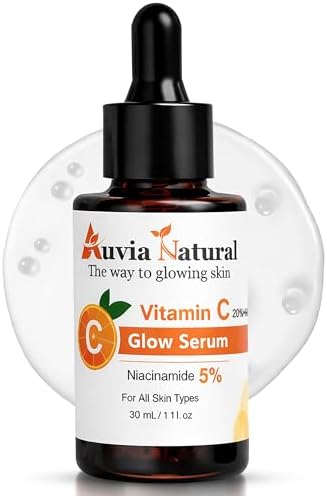
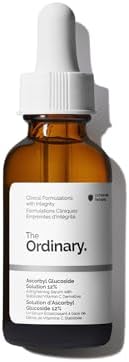
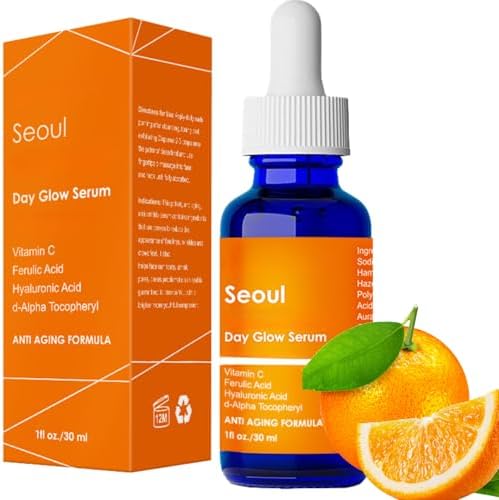
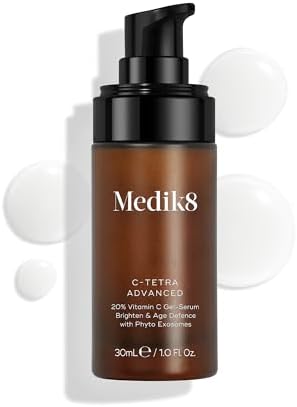
The UK skincare market offers vitamin C serums at many price points, from pharmacy brands to luxury lines.
Well known serums from brands such as Medik8 and SkinCeuticals regularly appear on best‑seller lists for British beauty retailers (Who What Wear, 2025).
More affordable options from high street chemists can still provide effective concentrations and good packaging.
When comparing products, check the ingredient list, concentration, packaging and independent reviews rather than focusing solely on marketing claims.
Ordering from reputable UK sites or in‑store counters also ensures good storage conditions and authentic stock.


Aligning vitamin C with your lifestyle
Lastly, think about how your daily routine in London shapes your skincare choices.
If you commute by Tube or bus, antioxidant protection becomes especially valuable due to high pollution levels.
If you work outdoors or enjoy weekend walks in parks, pairing vitamin C with diligent SPF use helps safeguard against UV damage.
Night owls, shift workers or frequent travellers may prefer evening application to fit their schedule.
The best vitamin C serum is the one you enjoy using consistently and can easily slot into your lifestyle.
Conclusion
Vitamin C serums have earned their reputation as one of the most beneficial skincare products for modern urban life.
Evidence from dermatology research shows they provide antioxidant protection, support collagen, even pigmentation and enhance overall radiance when used regularly (Pinnell, 2017; Pullar, Carr and Vissers, 2017; Harvard Health Publishing, 2021).
For London beauty lovers facing pollution, busy schedules and varied weather, a well formulated vitamin C serum can become a cornerstone of an effective routine.
By choosing the right concentration, combining it with moisturiser and sunscreen, and using it consistently, you give your skin meaningful support against daily stress.
Ultimately, vitamin C serums offer a science backed way to invest in healthier, brighter and more resilient skin.
References
Branco, A., Pinheiro, N., Mascena, F. and Maia Campos, P.M.B.G. (2021). Efficacy of topical antioxidants in the skin hyperpigmentation control: A clinical study by reflectance confocal microscopy. Journal of Cosmetic Dermatology. Available at: https://onlinelibrary.wiley.com/doi/full/10.1111/jocd.13804 (Accessed: 14 March 2026).
Boston Derm Advocate. (2024). Vitamin C Serum Benefits For Your Skin Revealed: Dermatology Experts Explore the Science. Boston Derm Advocate. Available at: https://www.bostondermadvocate.com/science-of-skincare/vitamin-c-benefits (Accessed: 14 March 2026).
Brieflands. (2023). Topical Vitamin C and Its Derivatives in Cosmetic Science. Brieflands Journals. Available at: https://brieflands.com/journals/jssc/articles/163798.pdf (Accessed: 14 March 2026).
Harvard Health Publishing. (2021). Why is topical vitamin C important for skin health?. Harvard Medical School. Available at: https://www.health.harvard.edu/blog/why-is-topical-vitamin-c-important-for-skin-health-202111102635 (Accessed: 14 March 2026).
Patient.info. (2025). What does vitamin C serum do?. Patient.info. Available at: https://patient.info/features/diet-and-nutrition/skincare-what-does-vitamin-c-serum-do (Accessed: 14 March 2026).
Pinnell, S.R. (2017). Topical Vitamin C and the Skin: Mechanisms of Action and Clinical Applications. Journal of Clinical and Aesthetic Dermatology. Available at: https://pmc.ncbi.nlm.nih.gov/articles/PMC5605218/ (Accessed: 14 March 2026).
Pullar, J.M., Carr, A.C. and Vissers, M.C.M. (2017). The Roles of Vitamin C in Skin Health. Nutrients. Available at: https://pmc.ncbi.nlm.nih.gov/articles/PMC5579659/ (Accessed: 14 March 2026).
Who What Wear. (2025). The Most Popular Beauty Products of 2025, Confirmed. Who What Wear UK. Available at: https://www.whowhatwear.com/beauty/skin/most-popular-beauty-products-2025 (Accessed: 14 March 2026).