
Anti-ageing beauty treatments can help soften fine lines, improve texture, and support healthier-looking skin.
However, the best results usually come from combining smart skincare, realistic expectations, and safe treatment choices.
London beauty culture moves fast, yet skin ageing remains a timeless concern.
Many people want visible results without looking overdone. Consequently, demand continues to grow for topical Skincare, clinic treatments, and non-surgical cosmetic options.
Skin ageing is influenced by both time and environment, especially sun exposure, pollution, and smoking (Griffiths, Watson and Langton, 2023).
This guide explains the main anti-ageing beauty treatments available in the UK.
It also shows how to choose treatments safely, what results to expect, and how to build a routine that supports long-term skin health. Furthermore, it focuses on options relevant to London consumers who want evidence-led beauty advice.
What ageing skin needs
Ageing skin usually needs three things. First, it needs more moisture support. Second, it needs better protection from further damage. Third, it needs ingredients or treatments that support collagen and cell turnover (Griffiths, Watson and Langton, 2023).
Skin ageing is not only about wrinkles. It can also involve dullness, dehydration, uneven tone, loss of firmness, and visible pigmentation. Therefore, a good anti-ageing approach should target multiple concerns at once.
Why skin ages faster
Sun exposure is a major driver of premature skin ageing. UV radiation damages collagen and accelerates photoageing, which can lead to wrinkles, laxity, and uneven pigmentation (Griffiths, Watson and Langton, 2023).
Pollution and smoking can also make visible ageing worse. Consequently, prevention matters as much as correction.
What realistic results look like
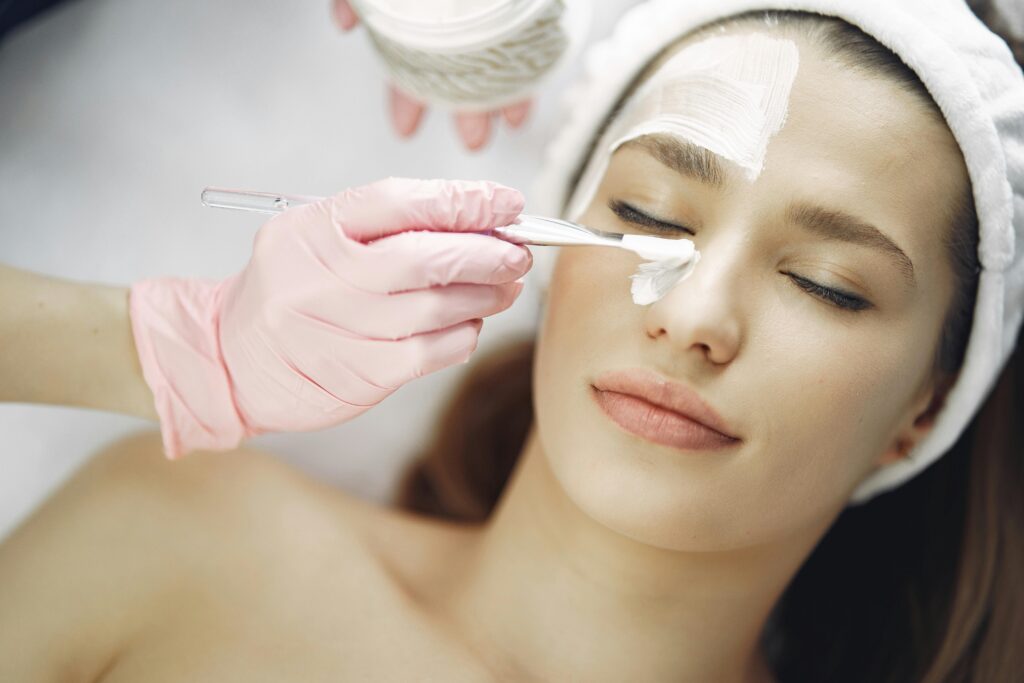
Most treatments improve appearance rather than reverse time completely. That point matters, because deep facial volume loss and structural change are harder to treat with skincare alone (Griffiths, Watson and Langton, 2023). In practice, the best anti-ageing plan usually combines maintenance, correction, and protection.
Topical skincare first
Topical skincare remains the foundation of anti-ageing care. In fact, dermatology literature describes topical regimens as a mainstay for ageing skin, because they are relatively low risk and useful for most people (Griffiths, Watson and Langton, 2023).
Retinoids and retinol
Retinoids are among the most studied anti-ageing ingredients.
Tretinoin is considered the clinical gold standard, although it is prescription-only in the UK (Griffiths, Watson and Langton, 2023). Over-the-counter retinol is usually gentler and more accessible, so many people start there.
Retinoids help improve fine lines, texture, and uneven pigmentation over time (Griffiths, Watson and Langton, 2023). However, they can also cause dryness, peeling, and irritation at the start. Therefore, beginners usually do better with low frequency use and a moisturiser-rich routine.
Vitamin C
Vitamin C is a popular morning ingredient for brightening and antioxidant support. Topical ascorbic acid can help improve photoageing scores, roughness, and wrinkling, although product stability matters (Griffiths, Watson and Langton, 2023). It can also help with pigmentation, which makes it useful for many London skincare routines.
Niacinamide
Niacinamide is well tolerated and versatile. It can support barrier function, reduce the look of redness, and improve the appearance of texture and pores (Griffiths, Watson and Langton, 2023). For many people, it is one of the easiest anti-ageing ingredients to keep using consistently.
Peptides
Peptides are often included in anti-ageing serums and creams. Some peptide formulas have shown improvements in fine lines and skin smoothness in clinical research, although results vary by formulation (Griffiths, Watson and Langton, 2023). They are best viewed as supportive ingredients, rather than miracle fixes.
Moisturisers and barrier care
A strong skin barrier is essential for ageing skin. Emollients and moisturisers help reduce dryness and support comfort, especially when retinoids are part of the routine (Griffiths, Watson and Langton, 2023). Consequently, many routines work better when hydration is treated as a priority, not an afterthought.
Sun protection
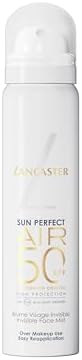
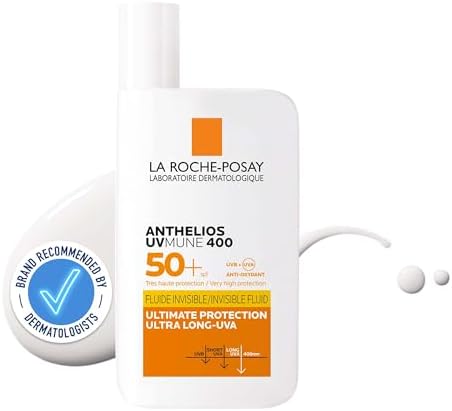
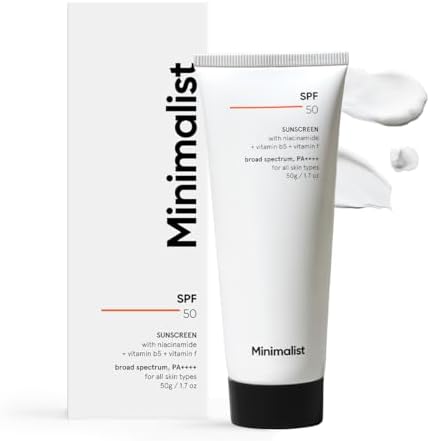
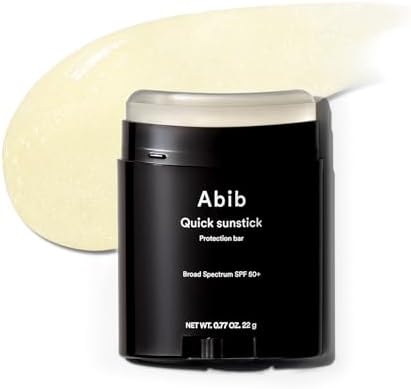
Daily SPF is non-negotiable if ageing prevention matters. UV exposure is a leading cause of visible skin ageing, and consistent sun protection helps reduce future damage (Griffiths, Watson and Langton, 2023). The British Association of Dermatologists also emphasises prevention, because no cream can fully undo sun-related ageing (Skin Health Info, 2018).


In-clinic facial treatments
Many people want faster or more visible results than skincare alone can provide. In that case, clinic-based facial treatments can be useful, especially when matched to specific concerns. However, treatment choice should depend on skin type, downtime tolerance, and budget.
Chemical peels
Chemical peels use acids to exfoliate the skin and improve surface renewal. They may help with dullness, fine lines, pigmentation, and post-acne marks. Therefore, they are often chosen by people wanting a brighter and smoother complexion.
Peels vary in strength. Some are gentle lunchtime treatments, while others need more recovery time. Consequently, a consultation should always cover skin sensitivity, pigment risk, and aftercare.
Microneedling
Microneedling creates tiny controlled channels in the skin. This process can stimulate repair and improve the look of texture, fine lines, and some forms of scarring. It is often popular with clients who want a more natural-looking refresh.
Microneedling is also often combined with serums or regenerative protocols. However, results usually build gradually across several sessions. Therefore, it works best for people who prefer steady improvement over dramatic change.
LED light therapy
LED light therapy is a low-downtime option used in many London clinics and beauty salons. It is often chosen to support recovery, calm inflammation, and improve general skin quality. While results are modest, it can be a useful add-on treatment.

LED treatment makes most sense as part of a wider plan. On its own, it is unlikely to replace stronger anti-ageing options. Nevertheless, it can support maintenance between more active treatments.
Hydrating facials
Hydrating facials are popular because they are gentle and immediate. They can temporarily improve plumpness, softness, and radiance. For people with dehydrated or stressed skin, that short-term boost can be valuable.
These facials do not rebuild collagen in the same way as stronger medical treatments. However, they can still make skin look fresher and healthier. Consequently, they are often used before events or as part of regular maintenance.
Injectable options
Injectables are often the treatments people think of first when they hear “anti-ageing.” They can create noticeable changes, especially around expression lines and volume loss. Still, they should only be chosen after careful assessment and realistic planning.
Anti-wrinkle injections
Anti-wrinkle injections relax specific facial muscles to soften dynamic lines. They are commonly used on forehead lines, frown lines, and crow’s feet. In skilled hands, the result should look rested rather than frozen.
These treatments are not suitable for everyone. They also require repeated maintenance, since effects wear off over time. Therefore, they work best for people comfortable with ongoing upkeep.
Dermal fillers
Dermal fillers are used to restore volume and contour. They may help with cheeks, lips, under-eye hollows, and some deeper facial folds. Used carefully, they can support a fresher and more balanced appearance.
However, fillers carry more visible risk when overused. The NHS advises people to think carefully before cosmetic procedures, and to check who will perform the treatment (NHS, 2024). Consequently, injector skill matters as much as product choice.
Skin boosters
Skin boosters are injectable hydrators designed to improve glow, softness, and hydration. They are often promoted for tired-looking or crepey skin. In many clinics, they are positioned as subtle refresh treatments rather than structural correction.
They suit people who want a light touch. They are less useful for major sagging or deep wrinkles. Therefore, expectations should stay modest and specific.
Energy-based treatments
Energy-based treatments use devices such as ultrasound, radiofrequency, or lasers. They are often chosen for tightening, resurfacing, or improving pigmentation. Because they vary widely, consultation quality is essential.
Laser resurfacing
Laser treatments can improve skin texture, pigmentation, and certain types of scarring. Some clinic-led laser approaches also help with age spots and sun-related discolouration. In some cases, several sessions may be needed for the best result.
Laser treatment usually involves recovery planning. Aftercare often includes sun protection and gentle skincare, because treated skin needs time to heal properly (North Bristol NHS Trust, n.d.). Consequently, laser is better suited to patients who can manage downtime responsibly.
Radiofrequency
Radiofrequency treatments use heat to encourage collagen-related tightening. They are often marketed for laxity, jawline support, and skin firmness. Results tend to be gradual, which suits people who prefer subtle refinement.
Radiofrequency is usually more about maintenance than transformation. However, it can work well when combined with good skincare and lifestyle support. In many cases, combination treatment plans produce better outcomes than single procedures.
Ultrasound-based lifting
Ultrasound devices target deeper tissue layers than many surface treatments. They are often used for lifting and tightening, especially in the lower face or neck. The goal is usually firmer-looking skin rather than a changed facial shape.
These treatments are typically clinic-based and price-sensitive. They also vary widely in delivery quality. Therefore, the provider’s experience should be checked carefully before booking.
How to choose safely
Safety should come before trends. Cosmetic procedures can be useful, but they should always be chosen with informed consent and a clear understanding of risk (NHS, 2024). This is especially important in London, where the market is crowded and marketing can be persuasive.
Check the practitioner
Always ask who will perform the treatment. Check training, registration, insurance, and experience with your specific concern. Furthermore, ask what happens if a complication occurs.
Ask about downtime
Every treatment has some kind of downtime, even if it is mild. Redness, swelling, peeling, or sensitivity may follow. Consequently, it is wise to plan treatments around work, events, and travel.
Avoid rushed decisions
A good practitioner should discuss risks, alternatives, and aftercare. They should not pressure you into package deals or unnecessary upgrades. The NHS advises people to think carefully before proceeding and to understand what is involved (NHS, 2024).
Match treatment to goal
Choose the treatment that fits the problem. Pigmentation may need pigment-focused care. Fine lines may respond better to retinoids or injectables. Loss of firmness may need a device-based approach or a combined plan.
Building a London routine
A London-friendly anti-ageing routine should be realistic, sustainable, and climate-aware. Indoor heating, city pollution, and busy schedules can all affect skin quality. Therefore, routines should be simple enough to maintain daily.
Morning routine
Start with a gentle cleanse, or just rinse if your skin feels dry. Then use antioxidant support, such as vitamin C or niacinamide. Finish with moisturiser and SPF.
Evening routine
Cleanse thoroughly, especially if you wear makeup or SPF. Then use retinol or another active ingredient on selected nights. On the other nights, focus on moisturising and barrier repair.
Weekly habits
Exfoliation should be gentle and controlled—overdoing it can weaken your skin barrier and make dry or ageing skin look worse. Exfoliate at least twice a week using a soft, gentle scrub to keep your skin smooth and healthy.
However, avoid exfoliating for at least 48 hours after a facial to give your skin time to recover and prevent irritation.
Lifestyle support
Sleep, hydration, and nutrition all influence skin appearance. Smoking and heavy sun exposure accelerate visible ageing, so avoiding them matters. Furthermore, stress management can support a healthier complexion overall (Griffiths, Watson and Langton, 2023).
Best treatment combinations
The best anti-ageing outcomes usually come from layering treatments intelligently. Skincare supports the barrier and prevents damage. In-clinic treatments then target the specific concern more directly.
For early ageing
For early fine lines and dullness, start with retinoids, vitamin C, moisturiser, and SPF. Add facials, peels, or LED if needed. This approach is often enough for people in their 20s or 30s.
For moderate ageing
For more visible wrinkles or pigmentation, combine skincare with microneedling, peels, or light-based treatments. Anti-wrinkle injections may also help where expression lines are prominent. Consequently, the plan becomes more corrective than preventive.
For mature skin
For mature skin, the best results usually come from a full strategy.
That may include prescription skincare, hydration support, injectable treatment, and a device-based tightening approach. However, the aim should still be refinement, not artificial perfection.
For mature skin, a full strategy works best because ageing affects several skin layers at once. Topical skincare remains the foundation, yet in-clinic treatments can address texture, laxity, pigmentation, and volume loss more directly (Griffiths, Watson and Langton, 2023).
Prescription skincare
often plays the lead role because tretinoin remains the clinical gold standard for topical rejuvenation, while moisturisers, peptides, vitamin C, and niacinamide support barrier function and visible brightness (Griffiths, Watson and Langton, 2023).
Hydration support also matters because mature skin often loses water more quickly, so hyaluronic-acid-based serums, rich moisturisers, and barrier-repair creams can improve comfort and make lines look less pronounced (Griffiths, Watson and Langton, 2023).
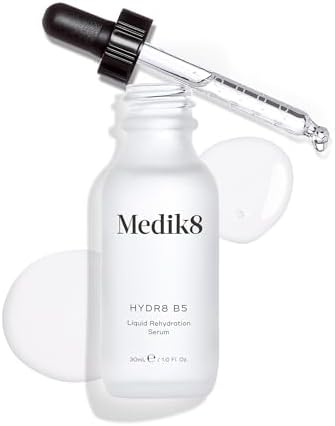
- EVERYDAY LONG-LASTING MOISTURE – Immediately floods the skin with moisture while boosting its natural moisture retention…
- PLUMPING & FIRMING EFFECT – Effortlessly smooths the look of fine lines and wrinkles while promoting a plumper, more sup…
- OIL-FREE MOISTURE REPLENISHMENT – This lightweight formula leaves skin replenished without clogging your pores. Ideal fo…
Injectable treatments can help when volume loss or deeper expression lines become more visible. Anti-wrinkle injections soften movement lines, while dermal fillers and skin boosters can restore contour or improve surface hydration, but they need careful assessment and skilled delivery to avoid an overfilled look (NHS, 2024).
Device-based tightening treatments add another layer of support. Laser, radiofrequency, and other resurfacing or tightening approaches can improve tone, texture, and firmness, and the evidence shows that skin rejuvenation can come from several routes, including lasers, device-based treatments, peels, injectables, and topical care (Griffiths, Watson and Langton, 2023).
The key principle is refinement, not artificial perfection. Mature skin usually looks best when each treatment improves one part of the ageing process without erasing natural facial character, because the goal is fresher-looking skin, not a completely altered face (NHS, 2024).
Academic references
Griffiths, T.W., Watson, R.E.B. and Langton, A.K. (2023). Skin ageing and topical rejuvenation strategies. British Journal of Dermatology. Available at: https://academic.oup.com/bjd/article/189/Supplement_1/i17/7333865 (Accessed: 20 March 2026).
NHS (2024). Advice about cosmetic procedures. NHS. Available at: https://www.nhs.uk/tests-and-treatments/cosmetic-procedures/advice/ (Accessed: 20 March 2026).
North Bristol NHS Trust (n.d.). Age spots – Laser Treatments. Bristol Laser Centre. Available at: https://www.nbt.nhs.uk/bristol-laser-centre/laser-treatments/age-spots (Accessed: 20 March 2026).
What to expect in London
London offers a huge range of beauty clinics, dermatology practices, and aesthetic providers. That choice is useful, but it also makes quality control more important. Therefore, patients should prioritise medical oversight, transparent pricing, and realistic claims.
Prices vary widely across the city. So does treatment quality. Consequently, the cheapest option is rarely the safest one, and the most expensive option is not automatically the best.
Conclusion
Anti-ageing beauty treatments work best when they are chosen carefully and used consistently. Topical skincare remains the foundation, especially SPF, retinoids, moisturisers, and antioxidants (Griffiths, Watson and Langton, 2023). Clinic treatments can add visible improvement, but they work best when matched to the right concern and delivered safely.
For UK consumers, especially in London, the smartest approach is balanced. Protect the skin, support the barrier, and choose treatment providers with care. That combination usually delivers the most natural and sustainable results.
References
Griffiths, T.W., Watson, R.E.B. and Langton, A.K. (2023). Skin ageing and topical rejuvenation strategies. British Journal of Dermatology. Available at: https://academic.oup.com/bjd/article/189/Supplement_1/i17/7333865 (Accessed: 20 March 2026).
North Bristol NHS Trust (n.d.). Age spots – Laser Treatments. Bristol Laser Centre. Available at: https://www.nbt.nhs.uk/bristol-laser-centre/laser-treatments/age-spots (Accessed: 20 March 2026).
NHS (2024). Advice about cosmetic procedures. NHS. Available at: https://www.nhs.uk/tests-and-treatments/cosmetic-procedures/advice/ (Accessed: 20 March 2026).
Skin Health Info (2018). Plant extract found to rival leading anti-ageing skincare ingredient, research shows. British Association of Dermatologists. Available at: https://www.skinhealthinfo.org.uk/plant-extract-found-to-rival-leading-anti-ageing-skincare-ingredient-research-shows/ (Accessed: 20 March 2026).