Beauty Salons, Jobs & Brands
The £30.4 Billion Glow‑Up: Why the UK Beauty Industry Is Booming in 2025
The UK beauty industry is not just about lipstick launches and TikTok trends.
It is now a serious economic powerhouse.
Fresh figures from the Value of Beauty 2025 report show that beauty added £30.4 billion to UK GDP in 2024 alone (British Beauty Council & Oxford Economics, 2025).
That means beauty grew around four times faster than the wider UK economy after inflation.
At the same time, the sector supported nearly 700,000 jobs and pumped billions into tax revenues (British Beauty Council & Oxford Economics, 2025).
In other words, your skincare haul and salon appointments are part of a much bigger story.
This article breaks down that story in simple language.
We will look at how beauty is outpacing other industries, where the money flows, and what all this means for your career, your business ideas, and even your everyday routine (British Beauty Council & Oxford Economics, 2025).
Beauty by the Numbers: The Big Headline Stats
Beauty’s £30.4 billion contribution
In 2024, the personal care and beauty industry supported a total contribution of £30.4 billion to UK GDP (British Beauty Council & Oxford Economics, 2025).
More than half of that, £15.9 billion, came directly from beauty businesses themselves. The rest came from their supply chains and the money beauty workers spend in the wider economy (British Beauty Council & Oxford Economics, 2025; professionalbeauty.co)
After adjusting for inflation, beauty’s direct GDP contribution grew by about 5 percent in 2024. That was more than four times the growth of the overall UK economy, which grew by just 1.1 percent in real terms (British Beauty Council & Oxford Economics, 2025).
Beauty now contributes more to GDP than the entire sports, amusement, and recreation sector (British Beauty Council & Oxford Economics, 2025).
The report forecasts that total GDP contribution will rise again in 2025, reaching around £31.5 billion (British Beauty Council & Oxford Economics, 2025).

Jobs: Beauty’s hidden workforce
Beauty is also a major employer. In 2024, the industry directly employed 496,000 people and supported 697,000 jobs in total across the UK (British Beauty Council & Oxford Economics, 2025).
That is an 11 percent jump in direct jobs compared with 2023, and it beats the pre‑pandemic peak of 2019 (British Beauty Council & Oxford Economics, 2025).
Of those direct roles, about 266,000 were in hands‑on beauty services such as salons and treatment‑based businesses (British Beauty Council & Oxford Economics, 2025).
Beauty employs more people than sectors like publishing, broadcasting, and utilities (British Beauty Council & Oxford Economics, 2025).
The forecast for 2025 suggests a small drop in total jobs to around 681,000, mainly because productivity per worker is expected to rise, especially in beauty services (British Beauty Council & Oxford Economics, 2025).
Why Beauty Is Growing Faster Than the UK Economy
Everyday spending that refuses to slow
One of the main reasons beauty is thriving is simple: we keep spending.
In 2024, UK households increased spending on personal care products and services by around 8 percent in cash terms (British Beauty Council & Oxford Economics, 2025).
Even during a cost‑of‑living squeeze, people are still prioritising hair appointments, skincare, and fragrance.professionalbeauty.co
The report suggests that beauty spend has been rising faster than general consumer spending over the last two years (British Beauty Council & Oxford Economics, 2025).
For 2025, growth is expected to cool to around 3 percent in cash terms, but it will still keep pace with wider consumption (British Beauty Council & Oxford Economics, 2025).
Put simply, beauty is behaving like a “little luxury” people refuse to give up.
That resilience is a big part of why the sector keeps out‑performing the wider economy.
Salons and services leading the charge
Beauty services, including hair, nails, brows, and skin clinics, contributed the largest share of direct GDP within the sector—around £5.9 billion in 2024 (British Beauty Council & Oxford Economics, 2025).
They also account for more than half of direct employment, with about 266,000 workers (British Beauty Council & Oxford Economics, 2025).
These services are hard to replace with pure e‑commerce.
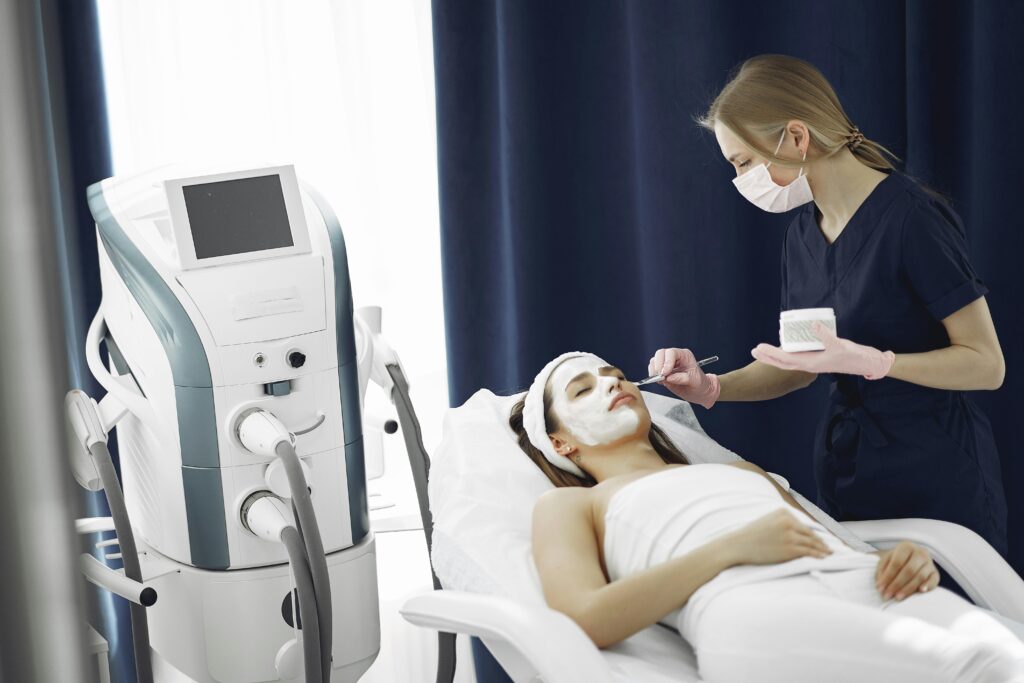
You can order serums online, but you still need a person for a balayage, a facial, or a laser session.
That mix of human touch plus tech‑driven treatments is helping salons bounce back strongly and draw steady demand (British Beauty Council & Oxford Economics, 2025).studio8beauty.co
Tax, Trade, and the Bigger Picture
Billions flowing back to the Treasury
In 2024, beauty and personal care supported £8.6 billion in tax revenues for the UK Treasury (British Beauty Council & Oxford Economics, 2025).
Of this, £4.6 billion came directly from the industry through taxes such as VAT, income tax, and business rates (British Beauty Council & Oxford Economics, 2025).
That direct tax take equals about 0.4 percent of planned public spending for 2024–25 and roughly a third of the budget for the Department for Science, Innovation and Technology (British Beauty Council & Oxford Economics, 2025).
When you add in supply‑chain and wage effects, the numbers underline how strongly beauty supports public services[professionalbeauty.co].
By 2025, total tax contributions are expected to climb to around £9.4 billion, with direct taxes reaching £5.1 billion (British Beauty Council & Oxford Economics, 2025; beautymatter, 2025).
Exports: Strong market, Brexit headwinds
UK beauty brands also sell heavily overseas. In 2024, exports of beauty and personal care products reached £4.3 billion, around 1.3 percent of all UK goods exports (British Beauty Council & Oxford Economics, 2025).pblmagazine.co
Europe is still the main buyer.
About 70 percent of UK beauty exports went to European single market countries, compared with 47 percent of UK goods overall (British Beauty Council & Oxford Economics, 2025).
Ireland was the top destination, taking around £625 million in UK beauty products, followed by Belgium, the USA, Germany, and the Netherlands (British Beauty Council & Oxford Economics, 2025).[professionalbeauty.co
However, exports have slid by about 10 percent in real terms since 2021, and both EU and non‑EU markets have seen falling volumes (British Beauty Council & Oxford Economics, 2025).
Post‑Brexit friction, new paperwork, and global economic pressures are all part of the challenge (beautymatter, 2025).
What This Means for UK Consumers
Your beauty buys really do matter
Every time you book a brow lamination, visit a hairdresser, or pick up a cleanser, you are feeding into that £30.4 billion economic engine (British Beauty Council & Oxford Economics, 2025).
The report makes clear that consumer spending is the main driver behind beauty’s growth[professionalbeauty.co].
That means your choices about where to shop and which brands to back go beyond your bathroom shelf.
They support local beauty jobs, taxes, and supply chains, from freelance MUAs to logistics and packaging workers (British Beauty Council & Oxford Economics, 2025; beautymatter, 2025).
Why beauty still feels like a non‑negotiable
The research suggests that even when household budgets are under pressure, people hold onto small rituals that help them feel confident and in control (British Beauty Council & Oxford Economics, 2025).
Beauty, wellness, and personal care tick that box.studio8beauty.co+
This explains why trends like “skinimalism”, tech‑meets‑touch treatments, and affordable yet high‑performance products are thriving.
They give noticeable results without feeling like reckless spending (Studio 8 Beauty, 2025; Premium Beauty News, 2025).premiumbeautynews+1
What This Means for Your Career or Business
A serious career path, not just a “nice hobby”
The industry now supports more jobs than publishing, broadcasting, and utilities in the UK (British Beauty Council & Oxford Economics, 2025).
Career paths range from classic salon roles to brand marketing, product development, lab‑based R&D, logistics, tech, and data (beautymatter, 2025).
Because the sector is growing faster than the wider economy, it offers real opportunities for progression.
Training providers and colleges are already positioning beauty as a future‑proof career choice, backed by these new figures (LCBT, 2025).
Opportunities for indie founders and side‑hustles
For founders and freelancers, the report’s numbers are a strong signal. Beauty is large, resilient, and still evolving. Direct GDP in 2024 outstripped segments like amusement and recreation, yet the market remains fragmented, with room for niche brands, specialist clinics, and service‑led concepts (British Beauty Council & Oxford Economics, 2025).
Key growth spaces include:
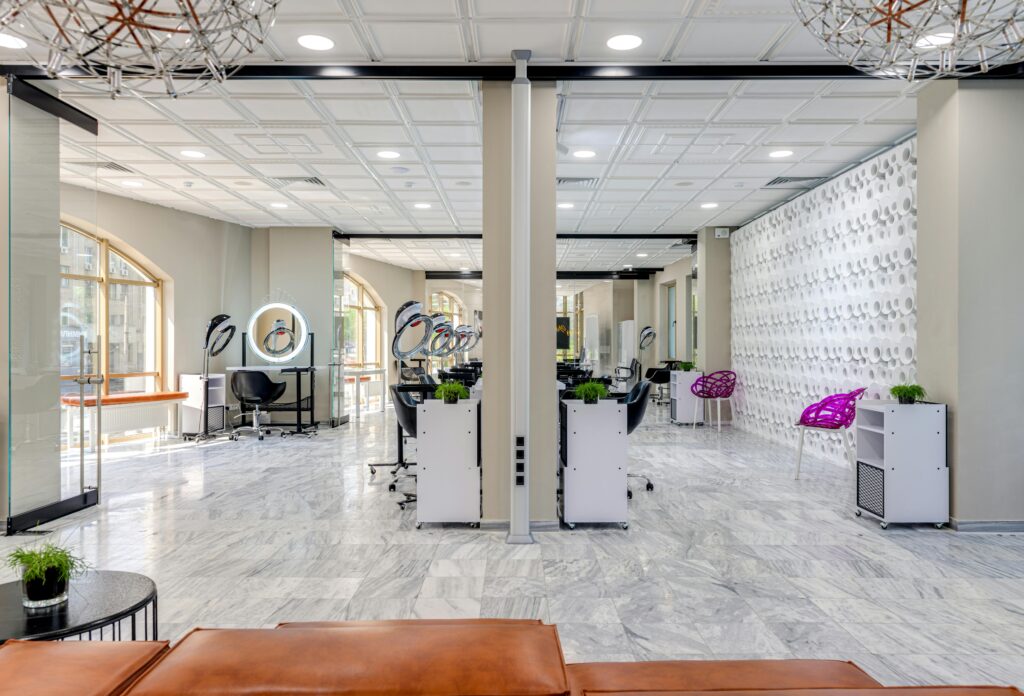
- Treatment‑led businesses that blend experience, results, and social‑media‑ready interiors (Premium Beauty News, 2025).[premiumbeautynews]
- Conscious, sustainable, and inclusive brands that reflect shifting consumer values (Cosmesure, 2025).[cosmesure]
- Tech‑enabled services, from booking platforms to AI‑powered consultations, that improve convenience and personalisation (British Beauty Council, 2025; beautymatter, 2025)
If you already run a salon or beauty e‑commerce business, mentioning credible stats from this report in your marketing can also help when pitching to landlords, lenders, or investors. It proves beauty is not a “frivolous extra” but a high‑value, high‑impact sector.
Conclusion
The new Value of Beauty 2025 figures confirm what many in the industry already feel. Beauty is no longer a side note—it is a £30.4 billion engine that is growing faster than the UK economy, creating hundreds of thousands of jobs, and supporting billions in tax (British Beauty Council & Oxford Economics, 2025).
For consumers, that means your everyday beauty choices are part of a powerful cycle of spending, jobs, and innovation. For professionals and founders, it signals that beauty remains one of the most dynamic and opportunity‑rich spaces in the UK.
If you are planning your next piece of content, pitch, or product launch, weaving in these hard numbers will help your message land with both audiences and decision‑makers.
References
British Beauty Council & Oxford Economics. (2025). The Value of Beauty: The Economic Impact of the UK Personal Care Industry in 2024. British Beauty Council. Available at: https://britishbeautycouncil.com (Accessed: 10 March 2026).[ppl-ai-file-upload.s3.amazonaws]
Professional Beauty / PB Link. (2025). UK beauty sector grew 9% in 2024, driven by salon and spa services. Professional Beauty. Available at: https://professionalbeauty.co.uk/uk-beauty-industry-growth-2024-gdp-report (Accessed: 10 March 2026).[professionalbeauty.co]
PBL Magazine. (2025). Beauty’s GDP Contribution Rose by 9% in 2024, Reaching £30.4 Billion. PBL Magazine. Available at: https://www.pblmagazine.co.uk/industry-news/beautys-gdp-contribution-rose-by-9-in-2024-reaching-304-billion (Accessed: 10 March 2026).[pblmagazine.co]
BeautyMatter. (2025). British Beauty Means Business: The Value of Beauty Report 2025. BeautyMatter. Available at: https://beautymatter.com/articles/british-beauty-means-business (Accessed: 10 March 2026).(beautymatter, 2025).
Studio 8 Beauty. (2025). Trends that are hot in the Beauty Industry 2025. Studio 8 Beauty. Available at: https://studio8beauty.co.uk/beauty-trends-2025/ (Accessed: 10 March 2026).[studio8beauty.co]
Premium Beauty News. (2025). UK beauty retail to see “notable growth and transformation” in 2025. Premium Beauty News. Available at: https://www.premiumbeautynews.com/en/uk-beauty-retail-to-see-notable,25216 (Accessed: 10 March 2026).[premiumbeautynews]
LCBT. (2025). A Look Inside the Beauty Industry 2025. London College of Beauty Therapy. Available at: https://www.lcbt.co.uk/news/a-look-inside-the-beauty-industry-2025/ (Accessed: 10 March 2026).[lcbt.co]
Cosmesure. (2025). Opportunities in the UK Cosmetic Market (2025 and Beyond). Cosmesure. Available at: https://www.cosmesure.uk/blog/opportunities-in-the-uk-cosmetic-market-tngs4 (Accessed: 10 March 2026).[cosmesure]